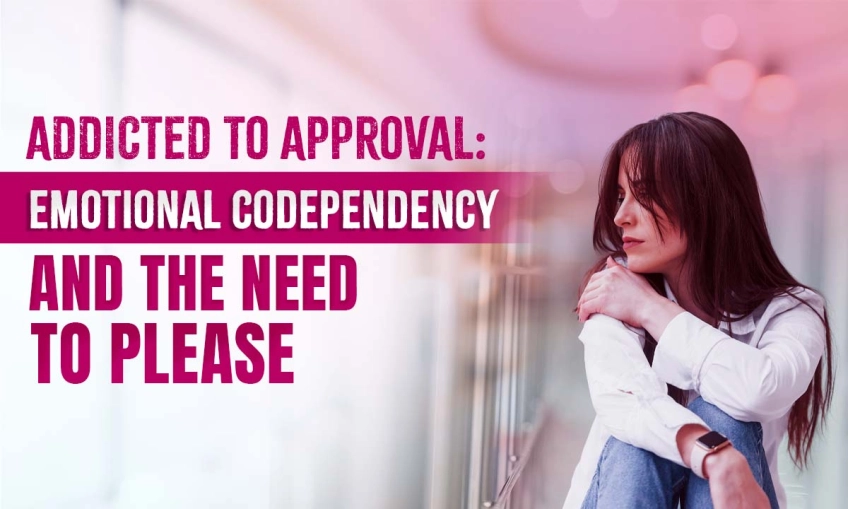
At Athena OKAS, we understand the deep emotional and psychological toll of approval addiction and emotional codependency. These conditions often drive individuals to constantly seek validation from others, neglecting their own needs in the process. The need to please others—commonly referred to as people-pleasing—can feel overwhelming, leading to a cycle of self-doubt, emotional exhaustion, and an unhealthy dependence on external approval.
This blog delves into the nature of approval addiction, emotional codependency, and people-pleasing behavior. It will provide insights on how these issues affect your life and offer practical steps on how to stop people-pleasing while embarking on a journey of emotional healing and self-validation.
What is Approval Addiction?
Approval addiction is a condition where an individual seeks constant validation from others to feel worthy or good about themselves. People with approval addiction often base their self-esteem on how others perceive them. This addiction to external approval leads to an ongoing pattern of behavior where one becomes overly concerned with pleasing others and seeking affirmation.
In a world where social media and societal pressures reinforce the desire to be liked or accepted, approval addiction can grow even stronger. Individuals may feel a sense of emptiness or anxiety when they don’t receive the approval they expect. Over time, this can damage self-worth and hinder emotional well-being.
The Role of Emotional Codependency in Approval Addiction
Emotional codependency plays a significant role in approval addiction. Codependency is characterized by an unhealthy dependence on others for emotional support and validation. People who struggle with emotional codependency often lose sight of their own identity and become excessively involved in the needs and emotions of others.
In a codependent relationship, the individual’s emotional well-being is entirely dependent on the approval or acceptance of others. This reinforces the approval addiction cycle, leading to unhealthy patterns of people-pleasing behavior. The need to please becomes more about maintaining emotional balance rather than setting healthy boundaries or fulfilling one’s own needs.
Signs of Emotional Codependency
Identifying signs of emotional codependency is crucial in understanding whether approval addiction or people-pleasing behaviors are present. Here are some common indicators:
- Excessive focus on others’ needs: Constantly putting others\' needs ahead of your own, to the point of neglecting self-care.
- Difficulty saying no: Feeling guilty or anxious when attempting to set boundaries, often saying yes to please others.
- Fear of rejection or conflict: Avoiding confrontation at all costs, driven by a fear of rejection or being disliked.
- Low self-esteem: Feeling inadequate unless receiving approval or validation from others.
- People-pleasing behavior: Engaging in actions that please others, even if they go against your own desires or well-being.
If any of these signs resonate with you, it may indicate that approval addiction or emotional codependency is affecting your life.
How to Stop People-Pleasing and Break Free from Approval Addiction
Breaking free from people-pleasing addiction and approval addiction requires a combination of self-awareness, boundary-setting, and emotional healing. Here are some practical steps to help you stop people-pleasing:
- Recognize the Problem: The first step in overcoming people-pleasing is to acknowledge that it’s a pattern of behavior that needs to change. Recognizing the signs of emotional codependency and approval addiction is essential for moving forward.
- Set Healthy Boundaries: Learning to set boundaries is key to breaking free from people-pleasing behavior. Start small by saying “no” when you feel overwhelmed or uncomfortable. Boundaries help you prioritize your own needs and emotional well-being.
- Cultivate Self-Worth: Start practicing self-acceptance and self-compassion. Your worth isn’t dependent on others' approval. Begin focusing on your strengths and accomplishments, and learn to validate yourself internally rather than relying on external validation.
- Develop Emotional Independence: Practice emotional self-sufficiency by learning to regulate your emotions and responses. Stop relying on others to fill the emotional void or make you feel better. This may require therapy or mindfulness practices that promote self-reflection and self-care.
- Seek Professional Help: Therapy can be a vital tool in overcoming approval addiction and emotional codependency. Cognitive-behavioral therapy (CBT) is particularly helpful in identifying and changing the patterns of thinking that contribute to these issues.
- Surround Yourself with Supportive People: Having a strong, supportive network of people who respect your boundaries and encourage your personal growth is crucial in overcoming people-pleasing. Seek relationships where mutual respect and support are present.
Codependency Recovery Tips: Moving Toward Emotional Healing
Recovery from emotional codependency and approval addiction is a gradual process, but it’s achievable with the right tools and mindset. Here are some codependency recovery tips:
- Focus on Self-Care: Prioritize activities that nurture your mental, physical, and emotional health. Self-care practices like exercise, meditation, and hobbies can help you regain emotional balance.
- Practice Mindfulness: Mindfulness techniques can help you become more aware of your people-pleasing behaviors and allow you to pause before reacting to external pressures.
- Reframe Negative Thoughts: Work on shifting your thoughts from seeking approval to self-acceptance. Cognitive reframing can help you break free from the cycle of negative thinking.
- Join Support Groups: Joining support groups, such as those for codependency recovery, can offer a sense of community and encouragement as you work through your healing process.
Read Also: Emotional Freedom for Women
The Impact of Approval Addiction on Mental Health
Approval addiction can take a significant toll on women’s mental health. When approval becomes the basis for self-worth, it leads to anxiety, stress, and feelings of inadequacy. Women who struggle with this addiction often feel like they are never enough, constantly seeking affirmation in ways that drain their emotional resources.
The desire for approval also often leads to perfectionism. Individuals with approval addiction may set impossibly high standards for themselves, leading to burnout and emotional exhaustion. Over time, this can result in depression, social isolation, and a diminished sense of self-worth.
Healing from approval addiction requires an understanding that mental health is built on self-acceptance, not external validation. Women must learn to embrace their authentic selves, free from the need to please others, to protect their emotional well-being.
Conclusion: Start Your Journey of Healing Today
At Athena OKAS, we understand how emotionally challenging it can be to break free from approval addiction and emotional codependency. By recognizing these behaviors and taking proactive steps to heal, you can regain control of your emotional well-being. Whether through therapy, self-care, or boundary-setting, it’s possible to move toward a healthier, more fulfilling life.
If you’re ready to begin your recovery journey, take the first step today by reaching out for professional help or starting a self-care routine. Healing is possible, and you deserve to live a life free from the need to please others.