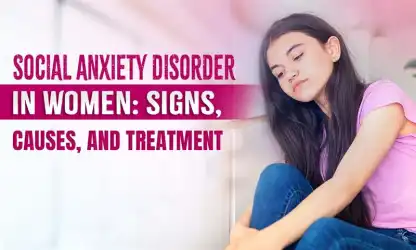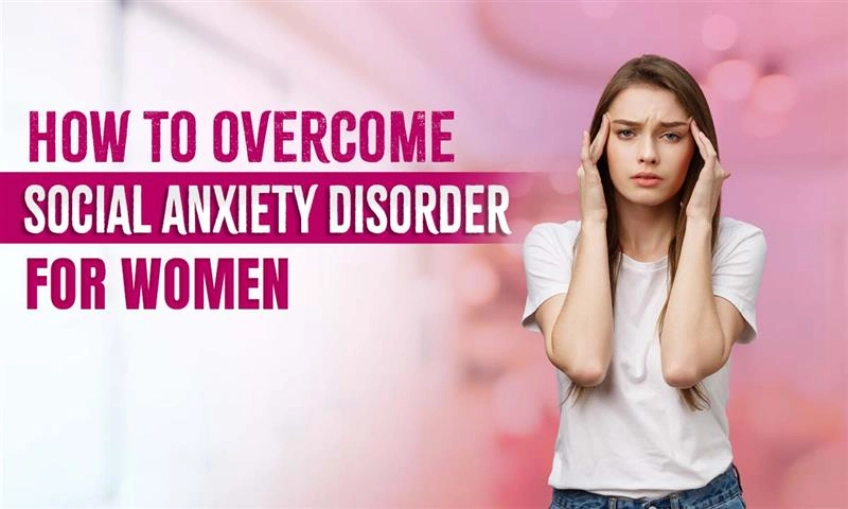
Social anxiety in women can look quiet on the outside and exhausting on the inside. A woman may seem “reserved” or “polite,” but internally she may be dealing with racing thoughts, fear of judgment, shaky hands, a tight chest, or the urge to avoid everyday interactions. Social anxiety disorder, also called social phobia, is more than shyness. It involves strong fear of being watched, judged, embarrassed, or rejected in social or performance situations. Ever had a thought about “how to overcome social anxiety”? These common signs include blushing, sweating, trembling, nausea, a rapid heartbeat, difficulty making eye contact, and avoiding conversations or public settings.
For many women, the impact reaches work, relationships, parenting, friendships, dating, and self-worth. It can show up during meetings, video calls, family events, introductions, interviews, or even simple errands. Some women keep functioning while carrying a high mental load. Others start avoiding more and more situations over time. That pattern matters because avoidance may reduce stress in the moment, but it often keeps social anxiety going in the long run. For more information, stay tuned to understand how to overcome social anxiety disorder for women.
Signs and Symptoms for Social Anxiety in Women
Understanding the signs of social anxiety in women helps you recognize that what you’re going through is real and treatable and overcome social anxiety. Social anxiety symptoms in women usually fall into three areas: psychological, physical, and behavioral.
What Social Anxiety in women often looks
Common psychological signs of social anxiety in women include:
- Intense fear of being judged, embarrassed, or rejected in social situations
- Worrying for days or weeks before a meeting, event, or presentation
- Overthinking past conversations and assuming you said something “wrong”
- Harsh self-criticism and a strong fear that others will notice your anxiety
Physical social anxiety symptoms in women often show up as:
- Fast heartbeat, shaking, or trembling
- Sweating, blushing, or feeling hot in social situations
- Shortness of breath, tight chest, nausea, or “butterflies” in the stomach
- Dizziness, lightheadedness, or feeling like you might faint
Behavioral signs of social anxiety disorder can look like:
- Avoiding social events, parties, meetings, or public speaking
- Declining invitations, canceling plans, or leaving early
- Avoiding eye contact, speaking softly, or hiding behind your phone
- Struggling to build or maintain friendships, romantic relationships, or work connections
If many of these signs feel familiar and are affecting your daily life, you may be facing social anxiety disorder rather than “just” shyness.
Why Social Anxiety in Women Often Goes Unrecognized
Many women search for how to overcome social anxiety fast because they want relief now, not months later. That makes sense. But honest mental health advice matters here: there is no instant switch that erases social anxiety overnight. What does help fast is reducing the intensity of symptoms in the moment while building long-term change step by step. If you want to know how to overcome social anxiety starting today, begin with practical actions that calm your body and lower avoidance.
1. Slow your body before you judge your mind
When anxiety spikes, your nervous system reacts first. Try slow breathing, grounding, unclenching your jaw, relaxing your shoulders, and planting both feet firmly on the floor. Mindfulness and breathing practices can help reduce anxiety symptoms for many people.
2. Stop trying to perform perfectly
A major driver of social anxiety in women is the pressure to say the “right” thing, look composed, and never appear awkward. Replace “I must do this perfectly” with “I only need to stay present for the next few minutes.” That shift reduces self-monitoring and helps you stay engaged.
3. Start small, not dramatic
Do not force yourself into the hardest room first. Build tolerance through low-pressure reps:
- Ask one question in a meeting
- Make brief eye contact and say hello
- Leave one short voice note
- Stay at an event 10 minutes longer than usual
Small exposures matter because avoidance strengthens fear, while repeated practice weakens it over time.
4. Catch the thought behind the fear
Social anxiety disorder is often fueled by thoughts such as:
- “They think I sound stupid.”
- “I embarrassed myself.”
- “Everyone noticed I was nervous.”
Pause and test the thought. What is the proof? What would you say to a friend in the same situation? This is one of the most useful coping strategies for social anxiety because it breaks the cycle between fear, interpretation, and avoidance.
5. Cut the habits that quietly worsen anxiety
If you are looking for how to reduce social anxiety naturally, look at the basics:
- Limit excess caffeine if it increases shakiness or a racing heart
- Prioritize sleep
- Exercise regularly
- Reduce alcohol as a coping tool
- Eat consistently and stay hydrated
These lifestyle steps will not replace treatment for severe social anxiety disorder, but they can reduce physical activation and improve resilience.
How to Overcome Social Anxiety in Women in Daily life
Women often carry layered roles and expectations, so the goal is not simply “be more confident.” The goal is to build a system that works in real life. Here are practical ways to manage social anxiety in women:
Prepare, but do not over-rehearse- A few notes before a meeting can help. Writing a full mental script for every interaction usually increases pressure.
Use one anchor phrase- Examples: “I can be nervous and still speak.” “Awkward is survivable.” “I do not need everyone’s approval.”
Practice recovery, not perfection- Even if your voice shakes, stay in the moment instead of escaping immediately. That teaches your brain that discomfort can pass.
Track wins that feel small- Answered a call. Spoke first. Staying present. Asked for clarification. These count.
When Social Anxiety Treatment is the right next step
If you have been searching how to overcome social anxiety fast because every day feels hard, treatment may be the faster and more effective option than trying to “push through” alone. Cognitive behavioral therapy is widely recognized as a common and effective treatment approach for social anxiety disorder. Medication may also be used in some cases.
You should consider professional support if:
- You avoid important social or work situations
- Physical anxiety symptoms feel intense or frequent
- Fear of judgment controls your decisions
- You replay interactions for hours or days
- Your relationships or career are being affected
- Self-help strategies are not enough
At Athena OKAS, women deserve care that takes their lived experience seriously. Social anxiety is not a weakness, a personality flaw, or something you need to hide. It is a real mental health condition, and the right support can make social situations feel manageable again.
Conclusion
If social anxiety is making daily life feel smaller, Athena OKAS is here to help. Reach out to our team to explore supportive, evidence-based care for women dealing with social anxiety disorder, social phobia, and related emotional stress. Taking the first step may feel hard, but it is often the moment things begin to change. Contact +91 9289730444 Athena OKAS, a women's rehab center in Gurgaon.