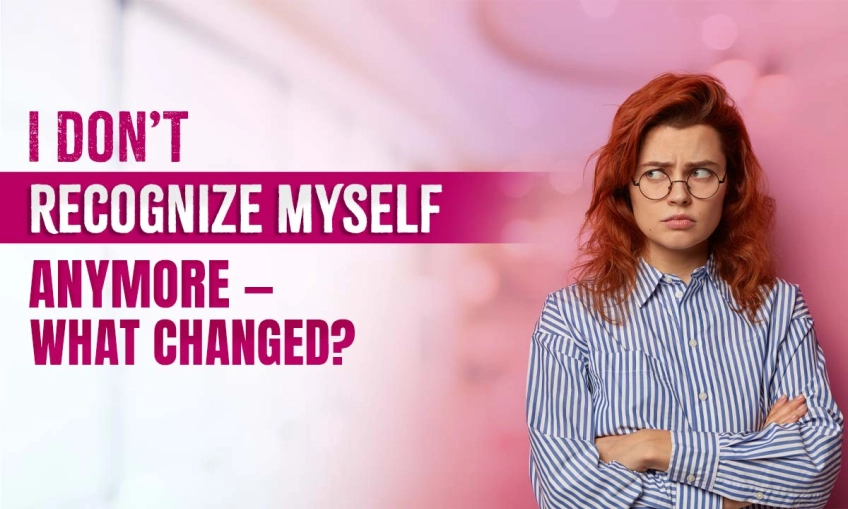
In life, there comes a time when you stop and look inside yourself, and you are a stranger to yourself. Your responses are varied. Your feelings are remote or stifling. Something exciting previously now seems to be empty. You might even find yourself crying randomly, without understanding why.
And should this sound with you, you are not different--and what is more, you are not deficient.
This emotion is usually the precursor to larger mental well-being and emotional changes that should be addressed, rather than condemned.
What Does It Mean to “Not Recognize Yourself”?
Failing to recognize yourself does not mean losing yourself, but rather the disconnection with the version of yourself that you knew. This may manifest itself as:
- Emotionally numb or hypersensitive.
- Growing weary of things you liked.
- Unexpected mood swings or crying randomly
- Feeling like an outsider to others or the world.
- Asking who you are, what you are, and where you are headed.
- A sense of emotional disconnection from people or life
Such experiences are usually related to your mental health and not your personality.
Why Am I Crying Randomly?
Crying without a reason may be confusing and even embarrassing, and it is seldom random. Something which has not been processed is being thrown off by your mind and body. Common reasons include:
Emotional overload
The repressed emotions escape at last.
Chronic stress/burnout
Emotional strength may be exhausted in the presence of continual pressure.
Unresolved trauma
The experiences of the past may reoccur in a very surprising manner.
Hormonal or neurological alterations
Body chemistry matters even more than you believe.
Subsuming mental health disorders
Unexplainable tears are a common symptom of other conditions, such as anxiety or depression. Tears do not mean lack of strength; it is a warning.
The Contribution of Emotional Disconnection
Emotional disconnection is one of the most neglected factors in feeling lost. You may:
- Feel distant from loved ones
- Difficulty in expressing feelings.
- Avoid deep conversations
- Feel empty even in happy moments
Signs of emotional disconnection in relationships:
- Conversations feel surface-level
- You withdraw or isolate yourself
- You are confused--even in being defended.
- Being there, not feeling.
This lack of connection may leave you feeling like you are on autopilot, not connected to others or yourself.
Mental and Emotional Changes You Shouldn’t Ignore
Mental and emotional changes can be brought about by life changes, stress, and internal conflicts. The main indicators are:
- Sudden personality shifts
- Greater irritability or anger.
- Difficulty concentrating
- Sleep disturbances
- Loss of motivation
- Constant sadness or emptiness.
These developments can be indications of a more underlying mental illness or a shifting psychological need that needs to be addressed.
Loss of Self-Identity: The Heart of the Matter
A loss of self-identity is frequently at the core of this experience. You may ask yourself:
- “Who am I now?”
- What is it that I really want?
- Why do I feel so out of touch with my old Self?
This can happen due to:
- Long-term stress
- People-pleasing behaviors
- Abuse or neglect.
- Significant transitions in life (career, relationships, loss)
When you keep on changing according to the expectations of the outside world, you gradually forget about your inner reality.
Is it a Mental Health Disorder?
Not necessarily--but it may be.
The ongoing emotional fluctuations can be associated with mental health disorders like:
- Depression
- Anxiety disorders
- Burnout syndrome
- Adjustment disorders
- Dissociative experiences
Such circumstances do not necessarily appear to be dramatic. At other times, they silently appear as:
- Emotional numbness
- Detachment
- Fatigue
- Loss of interest in life.
It is important to identify these tendencies in time to safeguard mental well-being
How to Reconnect With Yourself
The good news? This stage is not lasting. It’s a turning point.
1. Pause and Acknowledge
Cease struggling with the emotion. Rather than: What is wrong with me? ask:
What is it my mind is saying to me?
2. Track Your Emotions
Note the time when you might feel overwhelmed or crying randomly. Patterns will start to emerge.
3. Rebuild Small Connections
- Play music that you used to love.
- Revisit hobbies
- Take time to be quiet.
Such small gestures can be used to restore your emotional awareness.
4. Set Boundaries
Disconnection can be augmented by overextending yourself. Learn to say no.
5. Seek Professional Help
In some cases, self-reflection is not sufficient. Employing structured assistance can assist you in processing emotions safely and efficiently.
You Don’t Have to Go Through This Alone
If you feel like you’ve lost yourself, it’s important to understand:
This is not the final of who you are- it is the start of finding yourself again.
We know how it can be too emotional to connect with Athena Okas. We concentrate on:
Individualized mental health care.
- Healing and self-discovery
- Safe, supportive environments
- Holistic recovery programs
Call for Help at Athena Okas
When you are experiencing mental health problems, unaccounted emotional swings, or are feeling completely out of place, do not wait.
Call +91 9289730444 at Athena Okas now to feel like yourself again.