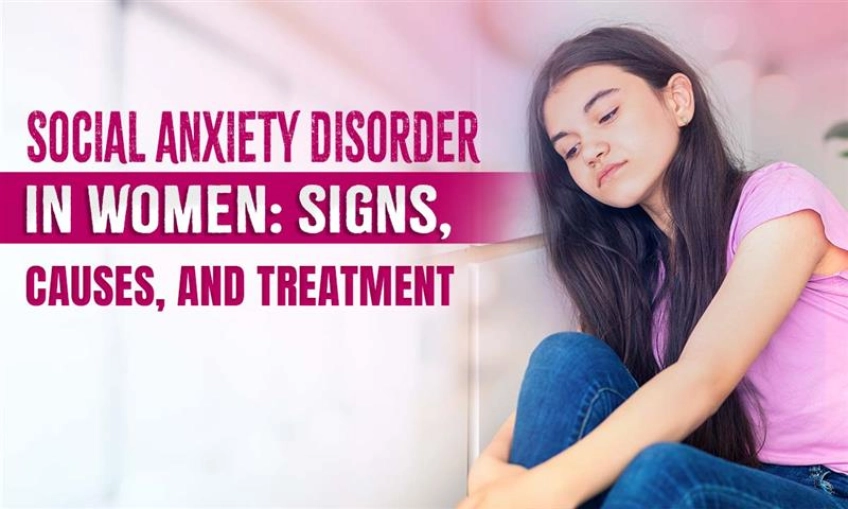
Social anxiety disorder in women can affect work, relationships, parenting, education, and everyday confidence. It is more than occasional nervousness before a meeting or social event. This condition involves persistent fear of being judged, embarrassed, rejected, or negatively evaluated in social situations. When that fear starts shaping daily choices, avoiding conversations, delaying opportunities, or causing distress, it may point to a clinical anxiety condition rather than simple shyness.
At Athena OKAS, we believe women deserve mental health care that is respectful, practical, and grounded in evidence. Many women live with social anxiety silently for years. They may appear “high functioning” on the outside while internally struggling with panic, self-doubt, people-pleasing, and constant overthinking. Social anxiety symptoms in women can show up in subtle ways, which is why proper assessment and timely support matter.
What Is Social Anxiety Disorder in Women?
Social anxiety disorder in women is a mental health condition marked by intense anxiety in social or performance situations. A woman may fear saying the wrong thing, being watched, sounding foolish, blushing, shaking, or being criticized. This fear is often much stronger than the actual situation and can interfere with daily functioning.
Many women do not seek help early because their symptoms are misread as personality traits. They may hear things like “you’re just shy,” “you need more confidence,” or “everyone feels awkward.” But social phobia in women can affect career growth, friendships, public speaking, dating, family gatherings, and even routine tasks such as making phone calls or attending appointments.
Signs of Social Anxiety in Women
The signs of social anxiety in women can be emotional, physical, and behavioral. Some are visible, while others stay hidden behind silence, avoidance, or perfectionism.
Emotional and Cognitive Signs
Women with social anxiety may:
- Fear being judged or embarrassed
- Overthink conversations before and after they happen
- Expect rejection, criticism, or humiliation
- Feel intense self-consciousness in groups
- Worry for days before social events
- Experience a “blank mind” during conversations or presentations
These patterns are commonly reported in social anxiety disorder and often become self-reinforcing over time.
Physical Social Anxiety Symptoms in Women
Common social anxiety symptoms in women include:
- Blushing
- Sweating
- Trembling
- Rapid heartbeat
- Nausea or stomach discomfort
- Dizziness or lightheadedness
- Tight muscles
- Soft voice or difficulty speaking
These symptoms are real physiological stress responses, not weakness or lack of willpower.
Behavioral Signs
Women may also:
- Avoid eye contact
- Skip meetings, parties, or networking events
- Stay quiet even when they have something valuable to say
- Depend on another person to speak for them
- Rehearse simple conversations repeatedly
- Leave situations early to reduce anxiety
This avoidance may provide short-term relief, but it usually strengthens fear over time.
Causes of Social Anxiety in Women
The causes of social anxiety in women are usually not limited to one factor. It often develops through a mix of biology, life experiences, personality, and environment.
1. Temperament and Genetic Vulnerability
Genetically few women are naturally more sensitive to stress, social evaluation, or uncertainty. Research and clinical guidance suggest that brain-based factors and genetics may contribute to anxiety vulnerability, though they do not fully determine outcomes.
2. Childhood Experiences
Early criticism, bullying, emotional invalidation, overcontrol, family conflict, trauma, or repeated embarrassment can increase risk. A woman who grows up feeling watched, corrected, or compared may learn to treat social situations as threats.
3. Social Conditioning and Gender Pressure
Women often face pressure to appear agreeable, polished, calm, and socially skilled. Fear of being labeled rude, awkward, dramatic, or “too much” can intensify anxiety. In many cases, women mask distress by smiling, apologizing often, or staying overly accommodating. That masking can delay diagnosis and treatment.
4. Stress, Rejection, or Major Life Changes
Workplace pressure, relationship problems, relocation, motherhood, academic stress, body image concerns, and social media comparison can all worsen symptoms. Social anxiety may increase during transitions when a woman feels more exposed or uncertain.
How Social Anxiety Affects Daily Life
Untreated social anxiety disorder in women can lead to:
- Reduced work performance or missed promotions
- Academic underperformance despite ability
- Isolation and strained relationships
- Low self-esteem
- Increased risk of depression or substance misuse
- Lower overall quality of life
This is one reason early treatment matters. Social anxiety is treatable, and improvement is possible with the right support.
Treatment for Social Anxiety in Women
The right treatment for social anxiety in women depends on symptom severity, daily impact, personal history, and coexisting mental health concerns. Evidence-based treatment often includes therapy, medication, or both.
Social Anxiety Therapy
Social anxiety therapy is often the first-line approach. Cognitive behavioral therapy, or CBT, is the most established treatment. It helps women identify distorted thoughts, reduce avoidance, and build healthier responses to feared situations. CBT for social anxiety may include:
- Identifying fear triggers
- Challenging negative self-beliefs
- Reducing safety behaviors
- Learning coping skills
- Gradual exposure to feared situations
- Practicing assertive communication
Other therapy approaches, including ACT-based work, mindfulness strategies, and supportive psychotherapy, may also help depending on the person’s needs.
Medication Options
Some women benefit from medication, especially when symptoms are intense or long-standing. Authoritative medical sources note that treatment plans may include psychotherapy, medication, or both. Medication decisions should always be made with a qualified psychiatrist or physician after a proper evaluation.
Practical Support That Helps
Women often improve faster when treatment also addresses real-life functioning:
- Sleep routine and stress regulation
- Boundary-setting
- Self-compassion work
- Communication coaching
- Relapse prevention planning
- Support from trusted family or friends
How to Manage Social Anxiety in Women
If you want to know how to manage social anxiety in women, the goal is not to become fearless overnight. The goal is to reduce avoidance, improve emotional regulation, and rebuild confidence through consistent action. Here are useful steps:
- Notice triggers clearly- Track the situations, thoughts, and body reactions that set anxiety off.
- Name the fear accurately- Instead of saying “I can’t do this,” identify the actual worry: judgment, rejection, embarrassment, or loss of control.
- Challenge automatic thoughts- Ask whether your fear is a fact, a prediction, or a habit.
- Practice gradual exposure- Start with manageable social tasks and repeat them until anxiety drops.
- Reduce safety behaviors- Stop over-rehearsing, apologizing excessively, or avoiding eye contact when possible.
- Use body-based regulation- Slow breathing, grounding, and posture work can reduce physical symptoms.
- Seek structured therapy- Professional treatment often shortens the cycle of avoidance and self-criticism.
How to Overcome Social Anxiety
When women search for how to overcome social anxiety, they are usually looking for relief that feels realistic. Social anxiety rarely improves through forcing yourself into overwhelming situations without support. What works better is a structured, evidence-based approach that combines insight, practice, and repetition. Overcoming social anxiety often means:
- Understanding what maintains the fear
- Stopping avoidance patterns
- Building social confidence in small steps
- Addressing shame, not just anxiety
- Learning that discomfort is survivable
- Replacing self-judgment with skill-building
With treatment, many women begin to speak more freely, attend events with less dread, set boundaries more clearly, and stop assuming they are being negatively judged all the time.
When to Seek Professional Help
Reach out to a mental health professional if:
- Anxiety affects work, studies, or relationships
- You avoid important situations because of fear
- Physical symptoms become hard to manage
- You feel stuck in overthinking and shame
- Symptoms have lasted for months
- You also notice low mood, panic, or substance use
Timely care can prevent symptoms from becoming more deeply rooted.
Why Choose Athena OKAS for Treatment
At Athena OKAS, we support women with thoughtful, individualized mental health care. Our approach focuses on understanding the person behind the symptoms. Social anxiety is not a character flaw. It is a treatable condition, and with the right plan, women can build stronger self-trust, healthier relationships, and more freedom in daily life.