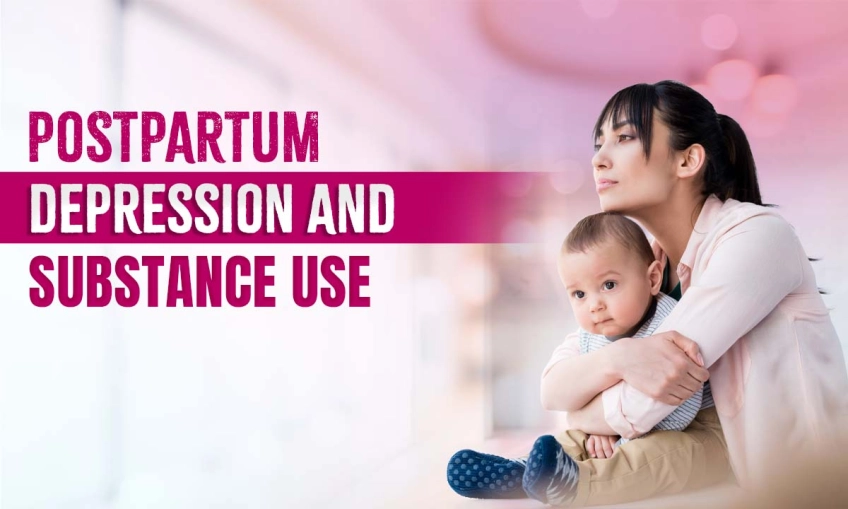
Childbirth is considered to have a significant impact on a person’s life. As a woman becomes a mother, a lot of new responsibilities can fall on her. Just as important as taking care of the new baby, it is also essential to offer support and compassion to the new mother. Postpartum depression and substance use are two of the many mental health challenges females may experience after childbirth. These can not only influence the maternal health but also the child’s well-being and overall family environment.
What is postpartum depression?
Postpartum depression is a mood-related mental health concern that females may experience within the first year after childbirth. It can be caused by multiple factors such as hormonal fluctuations, environmental influence, and genetics. As per studies, 1 in 7 women may experience symptoms of depression during pregnancy or within the first year of childbirth. It is important to increase awareness about this so that people can become more sensitive to women’s needs.
How Substance Use Can Be Linked to Postpartum Depression
As a mother tries to cope with the stressors of daily life and hassles in the environment, substance use can replace healthy coping mechanisms due to the quick relief. In such situations, the female may not be able to understand the long-term severe consequences of substance use. Other factors that might increase the risk of postpartum depression and substance use can include:
1. Isolation
2. Lack of social support
3. Lack of awareness
4. Chronic stress
5. Difficulty adjustment
Signs to Watch For
Some of the signs to look for regarding postpartum depression symptoms can include:
1. Persistent low mood, hopelessness and emptiness
2. Lack of interest in otherwise pleasurable activities
3. Feeling guilty, regret, and constantly blaming oneself
4. Extreme challenges in bonding with the child
5. Extreme changes in appetite and sleep schedule
6. Frequent and abrupt changes in the mood
7. Increased interpersonal conflicts and family disputes
8. Feeling isolated and withdrawing from loved ones
9. Risk of harming self, others or the baby
10. Challenges in concentration, attention and decision making
Signs of postpartum depression can vary from individual to individual based on the specific nature of concerns and intensity. It is essential to share the signs with a healthcare professional and seek a reliable referral for a mental health expert.
Treatment Options for Postpartum Depression and Substance Use
Postpartum depression and substance abuse treatment can be offered through many different modalities. Some of the possible treatment options can include:
1. Psychotherapy (Individual)
One-on-one therapy sessions with a trained professional can offer a space to express, vent out and work on the emotional challenges faced by the person. CBT, ACT and Expressive Arts Therapy are some of the many therapeutic modalities that can be used in this process.
2. Family Therapy
As a new mother experiences so many changes, the family dynamics can play a crucial role in helping her feel safe and supported. Family therapy can help in developing a healthy environment for the mother and child.
3. Pharmacotherapy
Psychiatrists may prescribe medication for postpartum anxiety and depression. Medications can help in managing postpartum depression symptoms.
4. Support Group
A support group can be a place for all the new mothers and a trained facilitator who encourages honest sharing that helps everyone feel connected. Support groups can be for both the parents as well, so as to understand the relationship dynamics post childbirth.
Coping Strategies and Prevention
1. Developing a healthy support system, such as friends, family members and professional support
2. Taking out time for self-care and short breaks from maternal responsibilities
3. Having a nutritious diet, a healthy sleep schedule and breathing exercises
4. Regular health check-ups for oneself as well as the child to seek professional guidance
5. Becoming more aware of postpartum depression and substance use to educate oneself
When to Seek Professional Help
If you notice postpartum depression symptoms in yourself or others, then it is highly recommended to seek professional support. Here are some of the ways to recognise the need for a mental health expert’s guidance:
1. Persistent symptoms such as feeling constantly low, sadness, etc.
2. The daily functioning of the individual is severely impacted
3. There seem to be safety concerns for the mother and/or the child
4. Dependence on substances seems to be increasing
5. Intense and abrupt changes in mood, behaviour and thoughts
One needs to be mindful of the signs of postpartum depression, anxiety and substance use, and accordingly, if needed, seek professional support for evaluation and treatment.
Conclusion
Postpartum anxiety and depression can be chronic mental health challenges which can be overcome with the right mental health support. Athena OKAS aims to be the right partner for women experiencing mental health concerns. We have designed this facility especially for females so they can feel comfortable in their recovery journey. Our intention is to offer specialised support for women that focuses on their psychological needs, nutritional needs, and other healthcare needs.
You can contact us to learn more about our postpartum depression treatment services by calling +91 9289730444, and we shall be happy to offer personalised support!