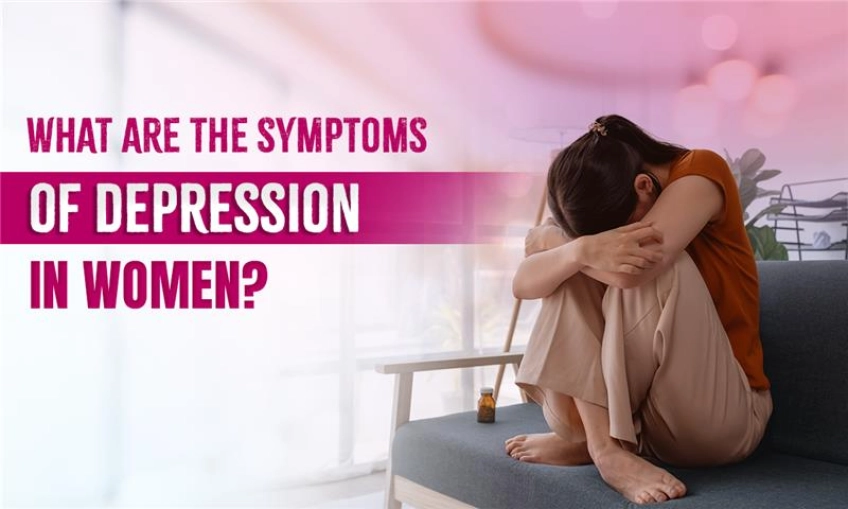
Depression is a complex and often misunderstood mental health condition that affects millions of women worldwide. It’s crucial to understand the symptoms of depression in women, as this can lead to early intervention and effective treatment. Whether you are experiencing it yourself or noticing signs in a loved one, recognizing these symptoms can be the first step towards recovery.
In India, mental health issues, especially depression, are often overlooked, especially among women. Cultural stigmas and traditional roles can sometimes hinder women from seeking help. Therefore, it’s important to raise awareness and provide the necessary support to help women tackle this challenging condition.
The Connection Between Depression and Substance Use
Many women who suffer from depression may also turn to substances such as alcohol or drugs to cope. This is often referred to as "self-medicating." While these substances may temporarily alleviate feelings of sadness or numbness, they can lead to more serious mental health and physical issues in the long term.
The link between depression in women and substance use is something that requires careful attention. Depression can worsen the effects of addiction and vice versa, creating a vicious cycle. If left untreated, this combination can have devastating consequences on a woman’s mental health, relationships, and overall well-being.
Symptoms of Depression in Women
Depression affects everyone differently, and the symptoms of depression in women can often vary from those experienced by men. While there are common signs of depression, women may experience unique symptoms based on hormonal fluctuations, life stages, and societal pressures. Here are some of the most common symptoms of depression in women:
- Persistent sadness or hopelessness: Women may feel overwhelmed by negative emotions, even when they seem to have everything to be happy about.
- Fatigue and lack of energy: Even after a full night's rest, women with depression often experience a sense of fatigue, making it difficult to get through daily tasks.
- Changes in appetite and weight: A significant increase or decrease in appetite can be a symptom of depression. Some women may turn to food for comfort, while others may lose interest in eating altogether.
- Sleep disturbances: Insomnia or excessive sleeping are both common signs of depression in women.
- Anxiety and irritability: Depression can often be accompanied by heightened anxiety or irritability. Women may feel on edge or overwhelmed by stressors.
- Loss of interest in activities: Things that once brought joy may now seem pointless or uninteresting, including hobbies, work, and social activities.
- Physical symptoms: Depression in women can manifest as unexplained aches and pains, such as headaches, back pain, or stomach problems.
- Thoughts of self-harm or suicide: In extreme cases, depression may lead to feelings of worthlessness or thoughts of harming oneself. It’s crucial to seek immediate help if you or someone you know is experiencing these feelings.
Depression in Pregnant Women
Pregnancy is often viewed as a joyful experience, but for some women, it can trigger depression in pregnant women. The hormonal changes, stress of impending parenthood, and physical discomforts of pregnancy can contribute to feelings of sadness, anxiety, or helplessness.
It's essential to note that depression in pregnant women requires prompt medical attention. Untreated depression during pregnancy can affect both the mother and the baby, potentially leading to premature birth, low birth weight, and developmental challenges.
Women who are pregnant and experiencing symptoms of depression should consult their healthcare providers for safe and effective treatment options. Addressing depression during pregnancy can make a significant difference in both maternal and child health.
What Does Depression Feel Like?
So, what does depression feel like? The experience of depression is often described as a deep sense of emptiness, like a weight that you can’t shake off. For women, this can be compounded by the pressures of managing personal, professional, and familial responsibilities.
Depression often feels like an overwhelming burden that clouds the ability to think clearly, focus, or enjoy life. It can make every task feel monumental, even something as simple as getting out of bed. These feelings can be isolating and are often exacerbated by societal expectations placed on women.
If you're wondering whether you're experiencing depression, it's essential to seek professional help. Mental health specialists can provide clarity and support, helping you navigate the emotional turmoil depression brings.
Depression Treatment
Thankfully, depression treatment is available and can help women regain control of their lives. Treatment options for depression include:
- Therapy: Talking to a mental health professional, such as a psychologist or counselor, can help address the root causes of depression. Cognitive Behavioral Therapy (CBT) is commonly used to help women change negative thought patterns.
- Medication: Antidepressants may be prescribed to help balance brain chemicals. These medications are particularly helpful in severe cases of depression, but they should always be taken under the supervision of a healthcare provider.
- Lifestyle changes: Regular exercise, proper nutrition, and sleep hygiene can help improve mood and overall well-being. Engaging in stress-reducing activities like yoga or meditation can also be beneficial.
- Support networks: Talking to family, friends, or support groups can provide emotional comfort and reduce feelings of isolation.
Read Also: How Depression Treatment for Women Can Change Your Life
Contact Athena OKAS today.
If you or someone you know is experiencing symptoms of depression in women, don't hesitate to reach out for help. Early intervention can significantly improve the chances of successful treatment and recovery. At Athena OKAS, we provide specialized care and support for women battling depression, including depression in pregnant women.
Don’t let depression control your life. Contact Athena OKAS at +919289086193 today and take the first step towards healing and recovery. You are not alone, and help is available.