Understanding bhang vs ganja is important, especially in India, where cultural traditions, legal rules, and health risks intersect. Many people assume both are the same. They are not. While both come from the cannabis plant, their preparation, potency, legal status, and health impact differ.
At Athena OKAS, we work closely with individuals and families affected by substance use. As a trusted Women's Rehab Center, we often meet women who believe bhang was harmless because of its religious associations. Clear information helps people make safer decisions. Let’s break down the real difference between bhang and ganja in simple terms.
What is bhang?
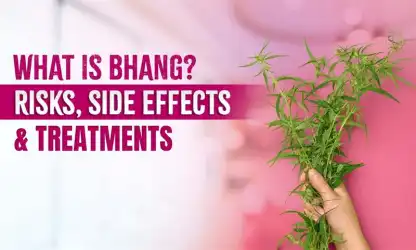
Bhang is a preparation made primarily from the leaves of the cannabis plant. In India, it is commonly used during festivals like Holi and Shivratri. Even mixed into drinks such as bhang lassi or added to sweets like bhang thandai.
Unlike smoked cannabis, bhang is ingested. That changes how it affects the body. When consumed orally:
- Effects take 30–90 minutes to begin
- The high lasts longer (4–8 hours or more)
- Intensity can increase unexpectedly
Although many consider bhang “mild,” it still contains psychoactive compounds, mainly THC (tetrahydrocannabinol). Overconsumption can cause:
- Anxiety and panic
- Hallucinations
- Nausea and vomiting
- Increased heart rate
- Impaired judgment
We have treated cases where individuals underestimated bhang’s strength and experienced severe psychological distress.
What is Ganja?
Ganja refers to the dried flowering tops (buds) of the female cannabis plant. These buds contain higher concentrations of THC compared to leaves. Ganja is usually smoked in joints, pipes, or chillums.
Because it is inhaled, ganja acts quickly. Users typically feel effects within minutes. The high usually lasts 2–4 hours.
Common effects of ganja include:
- Euphoria or relaxation
- Altered perception of time
- Increased appetite
- Slowed reaction time
- Red eyes and dry mouth
However, stronger strains can lead to:
- Paranoia
- Panic attacks
- Memory problems
- Risk of dependency
In clinical settings, we see that repeated use of high-THC ganja increases the risk of substance use disorder and mental health complications, especially in young adults.
Difference Between Bhang and Ganja
The difference between bhang and ganja lies in the plant parts used, potency, method of consumption, and legal interpretation.
| Factor | Bhang | Ganja |
| Plant Part | Leaves | Flowering buds |
| THC Content | Lower | Higher |
| Method | Eaten or drunk | Smoked or inhaled |
| Onset Time | Slow (30–90 mins) | Fast (within minutes) |
| Duration | Longer lasting | Shorter duration |
| Risk of Overdose | Higher due to the delayed effect | Lower but potent |
While both come from the same plant, ganja is generally more potent. Bhang can still cause strong intoxication because edible forms are harder to dose accurately.
Effects of Ganja vs Bhang on the Body and Mind
When comparing the effects of ganja vs bhang, the main difference lies in speed and duration.
Physical Effects
Both may cause:
- Increased heart rate
- Dry mouth
- Blood pressure changes
- Drowsiness
Bhang often causes more intense gastrointestinal symptoms because it is digested.
Psychological Effects
- Mood changes
- Anxiety or paranoia
- Impaired concentration
- Memory lapses
Long-term use of either substance may contribute to:
- Cannabis use disorder
- Reduced motivation
- Sleep disturbances
- Increased risk of depression or psychosis in vulnerable individuals
We pay special attention to women facing cannabis dependency combined with anxiety, trauma, or hormonal factors. Women often experience substance-related mental health symptoms differently from men.
Is Bhang vs. Ganja Legal in India?
Many people ask, is bhang vs ganja legal in India?
Under the Narcotic Drugs and Psychotropic Substances (NDPS) Act, 1985:
- Ganja (flowering tops) is illegal without government authorization.
- Bhang (made from leaves) is not explicitly banned under the central NDPS Act.
However, regulation varies by state. Some states permit licensed bhang shops, while others impose restrictions. Possession of ganja without authorization can result in legal penalties, including fines and imprisonment.
Legal status does not equal safety. Even if bhang is legally available in some regions, misuse can still harm mental health.
Cultural Acceptance vs Health Reality
Bhang has religious and cultural associations. That often creates a perception that it is safer than ganja. From a medical standpoint, both contain THC and affect brain chemistry.
Cultural acceptance does not reduce risks such as:
- Psychological dependence
- Reduced productivity
- Academic decline
- Relationship problems
At our Women's Rehab Center, we frequently counsel families who believe occasional bhang use is harmless. Over time, tolerance builds. The person may increase the dosage or switch to stronger forms, such as ganja.
Risks for Women: A Clinical Perspective
Women may face unique risks when using cannabis products. Research shows hormonal fluctuations can alter drug response. Women are also more likely to experience:
- Anxiety disorders
- Trauma-related conditions
- Faster progression from use to dependency
It focuses on women-centered recovery. Our treatment model includes:
- Psychiatric assessment
- Trauma-informed therapy
- Cognitive behavioral therapy
- Family counseling
- Relapse prevention planning
Substance use often masks deeper emotional pain. Proper treatment addresses both.
When Does Recreational Use Become Addiction?
Not everyone who consumes bhang or ganja develops addiction. However, warning signs include:
- Cravings
- Failed attempts to quit
- Neglecting responsibilities
- Despite mental health problems
- Withdrawal symptoms like irritability or sleep issues
If someone needs cannabis to relax, sleep, or cope daily, it may indicate dependency.
Early intervention prevents long-term complications.
Read Also: What is Pink Cocaine?
Treatment Options at Athena OKAS
If you or a loved one struggles with cannabis use, professional support helps. we provide structured programs at our Women's Rehab Center with:
- Medical detox supervision (if required)
- Individual psychotherapy
- Group therapy sessions
- Psychiatric medication management
- Aftercare and support planning
We maintain confidentiality and evidence-based practices. Recovery is not about judgment. It is about safety and stability.
If cannabis use is affecting your mental health or family life, contact Athena OKAS today. Early support can prevent long-term damage.
Final Thoughts
The conversation around bhang vs ganja often focuses on culture and legality. It should also include health risks and psychological impact. Both substances affect brain chemistry. Both carry risk for dependency.
Understanding the difference between bhang and ganja allows informed decisions. If use becomes problematic, professional care is available.
Evidence-based recovery for women facing substance use and mental health challenges. Support is available. You do not have to manage it alone.