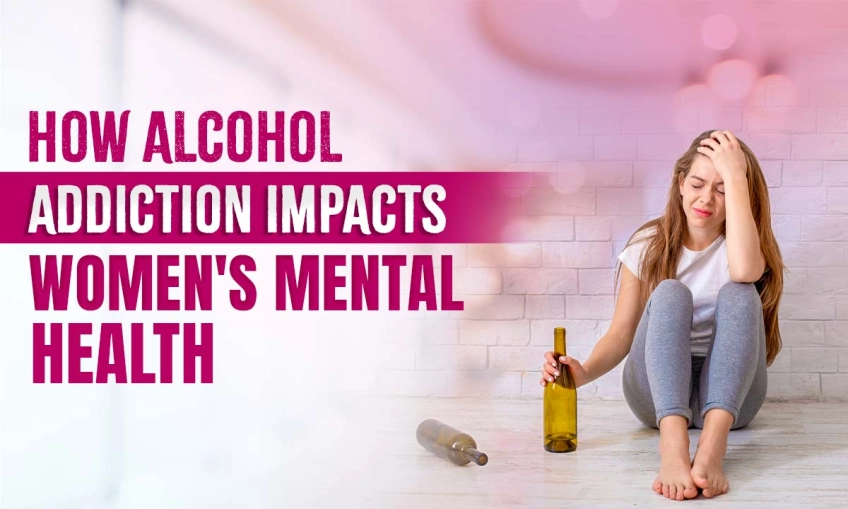
Alcohol addiction is a serious condition that impacts not just the body, but also the mind. For women, the effects of alcohol addiction can be particularly harmful, influencing both their mental health and emotional well-being. At Athena OKAS, we understand the unique challenges women face when dealing with alcohol addiction. In this article, we explore the deep connection between alcohol addiction in women and mental health, highlighting the psychological effects, risk factors, and available treatment options.
The Impact of Alcohol Addiction on Women’s Mental Health
Alcohol addiction affects women in different ways than men, often intensifying mental health issues. From heightened emotional distress to more severe symptoms of anxiety and depression, the impact of alcohol abuse on women’s mental health cannot be underestimated.
Alcohol Addiction and Emotional Health
Women tend to be more vulnerable to the emotional toll of alcohol addiction due to a combination of biological, psychological, and social factors. Research shows that alcohol addiction often exacerbates underlying emotional issues such as anxiety, depression, and trauma.
- Increased anxiety: Women struggling with alcohol addiction are more likely to experience chronic anxiety. The depressant effect of alcohol can create a vicious cycle, making women feel more anxious and stressed.
- Depression: Women with alcohol use disorder are at a higher risk of developing depression. Alcohol, which initially provides a temporary feeling of relief, often worsens long-term emotional instability.
- Mood swings and irritability: Heavy drinking can lead to significant mood swings, making it harder for women to manage their emotions and engage in healthy relationships.
Cognitive and Psychological Effects of Alcohol Addiction
Alcohol doesn’t just affect emotions; it can also impair cognitive functions, leading to difficulties in thinking clearly, making decisions, and processing emotions.
- Cognitive impairments: Long-term alcohol abuse can lead to memory problems, difficulty focusing, and impaired judgment. This makes daily tasks and social interactions more challenging.
- Increased vulnerability to trauma: Alcohol can lower inhibitions, leading to risky behaviors. For women, this could result in trauma, such as sexual assault or abusive relationships, which then compounds mental health problems.
- Mental exhaustion: Women who struggle with alcohol addiction may feel mentally exhausted due to the constant emotional turmoil and physical symptoms of alcohol withdrawal.
Gender-Specific Risks in Women
The effects of alcohol addiction on women’s mental health can be more severe than in men due to several gender-specific factors.
- Hormonal fluctuations: Women’s hormonal cycles, including pregnancy and menopause, can intensify the effects of alcohol. For example, alcohol can disrupt hormonal balance, leading to more pronounced mood swings or anxiety.
- Social pressures: Society often places greater expectations on women to balance work, family, and personal life. These pressures can lead to emotional strain, and alcohol may become a coping mechanism.
- Higher risk of co-occurring disorders: Women with alcohol addiction are more likely to also suffer from co-occurring mental health disorders like eating disorders, PTSD, or bipolar disorder. Treating these conditions together is essential for successful recovery.
The Role of Women-Only Treatment Programs in Addressing Alcohol Addiction
Given the unique challenges women face in battling alcohol addiction, women-only treatment programs offer a tailored approach to recovery. These programs focus on the specific needs of women, providing a safe and supportive environment where women can address both their alcohol addiction and their mental health challenges.
Why Women-Only Treatment Programs Work
- Safer environment: Women often feel more comfortable in an environment where they are surrounded by others with similar experiences. In a women-only setting, there’s less fear of judgment or stigma.
- Addressing gender-specific issues: These programs take into account the emotional, social, and psychological factors that uniquely affect women, including trauma, relationships, and mental health disorders.
- Holistic care: Women’s alcohol treatment programs often incorporate both mental health counseling and addiction therapy. This dual approach addresses the mind-body connection and helps women build a strong foundation for recovery.
Alcohol Addiction Treatment for Women
The most effective treatment for alcohol addiction in women is a comprehensive program that focuses on both the physical and mental health aspects of the condition. This may include detoxification, therapy, support groups, and aftercare.
Key Components of Alcohol Addiction Treatment for Women
- Detoxification: The first step in recovery, detox helps remove alcohol from the body safely. Detox should always be supervised by medical professionals to manage withdrawal symptoms.
- Therapy and counseling: Therapy is crucial in helping women understand the underlying causes of their addiction and mental health struggles. Cognitive-behavioral therapy (CBT), trauma therapy, and group counseling can be highly effective.
- Support groups: Peer support is a vital part of recovery. Support groups like Alcoholics Anonymous (AA) offer a safe space for women to share their experiences and learn from others.
- Aftercare: Recovery doesn’t end after treatment. Long-term aftercare, including ongoing therapy, support groups, and lifestyle changes, helps women maintain their sobriety and mental health.
How to Find the Right Alcohol Rehab Centre for Women
If you or a loved one is struggling with alcohol addiction, it’s important to find the right alcohol rehab center. The right facility will provide the appropriate level of care and address both the physical and emotional aspects of addiction.
Tips for Finding a Women’s Rehab Centre
- Look for specialized women’s programs: Not all rehab centres cater specificalo women’s needs. Look for programs that focus on women’s alcohol treatment, especially those that offer holistic care and trauma-informed therapy.
- Consider proximity: Search for an alcohol rehab centre near me to reducely t the stress of travel and to find local resources and support networks.
- Check treatment options: Make sure the centre offers a variety of treatment options, including individual therapy, group counseling, and family therapy.
- Inquire about dual diagnosis: If you have a co-occurring mental health disorder, look for a rehab facility that specializes in treating both addiction and mental health issues simultaneously.
Take Action with Athena OKAS
At Athena OKAS, we provide comprehensive and compassionate care for women struggling with alcohol addiction. Our women’s alcohol treatment programs are designed to address both addiction and mental health concerns, offering the support and guidance you need to start your recovery journey.
Contact us at +91 9289730444 at Athena OKAS today to learn more about our tailored treatment programs and find the support you need to reclaim your mental and emotional health.