Pink Cocaine is trending across social media, club scenes, and news headlines. Its bright color and party reputation make it look harmless. The reality is very different. Pink Cocaine is one of the most unpredictable and risky synthetic drugs circulating today.
At Athena OKAS, we focus on clear, evidence-based mental health education. If you have searched What is Pink Cocaine?, you likely want straightforward answers. This article explains how it works, the real dangers, Pink cocaine vs cocaine differences, and the treatment of pink cocaine if someone needs help.
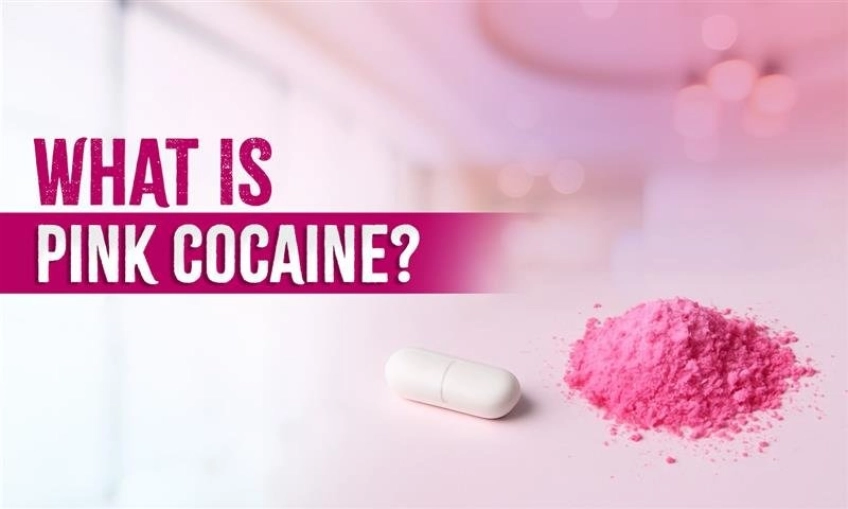
What is Pink Cocaine?
Pink Cocaine is a synthetic powder drug usually dyed pink. Despite the name, it often contains no actual cocaine. Instead, it may include a combination of substances such as:
- MDMA (ecstasy)
- Ketamine
- Methamphetamine
- Caffeine
- Other synthetic chemicals
Because there is no fixed formula, every batch of Pink Cocaine can contain different ingredients. This makes its effects highly unpredictable.
In some regions, it is also known as the Tusi drug. However, regardless of the name, the risks remain serious.
Why Is Pink Cocaine Gaining Popularity?
Pink Cocaine is often marketed as a “luxury party drug.” Its bright color and high price create a false sense of exclusivity. Social media trends and nightlife culture have helped increase its visibility.
Many users believe it is safer than traditional drugs because it looks different. That assumption is dangerous. Pink Cocaine can trigger severe physical and mental reactions, especially when mixed with alcohol or other substances.
Pink Cocaine vs Cocaine Differences
Understanding Pink cocaine vs cocaine differences is important for safety awareness.
Cocaine:
- Derived from coca plant leaves
- Primarily a stimulant
- Short-lasting high
- Known heart and addiction risks
Pink Cocaine:
- Synthetic mixture, often not cocaine
- May combine stimulants, depressants, and hallucinogens
- Effects vary dramatically
- Higher risk of unexpected reactions
While cocaine is dangerous, Pink Cocaine increases risk because users cannot predict what they are actually taking.
Pink Cocaine Drug Effects
Pink Cocaine drug effects depend on the mixture. Some users feel temporary euphoria. Others experience severe distress.
Common Physical Effects of Pink Cocaine:
- Rapid heartbeat
- High blood pressure
- Sweating
- Nausea
- Muscle tension
- Overheating
Common Psychological Effects of Pink Cocaine:
- Intense euphoria
- Anxiety or panic
- Hallucinations
- Paranoia
- Confusion
- Aggressive behavior
The effects of pink cocaine can shift quickly. Someone may feel energized one moment and disoriented or panicked the next.
Short-Term Dangers You Should Not Ignore
Pink Cocaine can lead to immediate medical emergencies. The biggest risks include:
- Heart attack
- Stroke
- Seizures
- Severe dehydration
- Overdose
- Acute psychosis
Because it often contains multiple substances, the drug can overstimulate or overwhelm the nervous system. Emergency departments are seeing increasing cases linked to Pink Cocaine use.
Long-Term Risks of Pink Cocaine
Repeated use significantly increases the long-term risks of pink cocaine. These include:
- Addiction and dependence
- Memory and attention problems
- Chronic anxiety or depression
- Sleep disorders
- Cardiovascular damage
- Persistent paranoia
The long-term risks of pink cocaine are not always obvious at first. Over time, users may notice worsening mood swings, irritability, and mental health instability.
Is Pink Cocaine Addictive?
Yes. Pink Cocaine can be addictive. The stimulant components increase dopamine in the brain, which reinforces repeated use. Over time, the brain begins to rely on the substance for pleasure or energy.
Warning signs of addiction include:
- Strong cravings
- Using more than planned
- Hiding use
- Missing work or school
- Continuing despite harm
If these signs appear, professional help is important.
Mental Health Impact
Pink Cocaine does not just affect the body. It directly impacts mental health.
People may experience:
- Panic attacks
- Severe mood crashes
- Aggression
- Depressive episodes
- Psychotic symptoms
Individuals with existing anxiety, depression, trauma history, or bipolar disorder face even greater risk. Substance use and mental health conditions often interact in harmful ways.
At Athena OKAS, we treat both together through integrated care.
Treatment of Pink Cocaine
The treatment of pink cocaine use depends on the individual’s health, usage pattern, and mental health history. Early intervention improves recovery outcomes.
Treatment options include:
1. Medical Supervision
Detox may be necessary if withdrawal symptoms occur.
2. Psychiatric Evaluation
A full mental health assessment helps identify underlying issues.
3. Therapy
Evidence-based approaches such as Cognitive Behavioral Therapy help address triggers and relapse prevention.
4. Ongoing Recovery Support
Structured outpatient programs and continued counseling reduce relapse risk.
The treatment of pink cocaine should always address both substance use and mental health together.
Why Awareness Matters
Many people try Pink Cocaine believing it is a “fun party drug.” They may not realize they are consuming a synthetic blend with unknown chemicals.
Clear education can prevent serious harm. If someone in your life is experimenting, open conversations without judgment can make a difference.
When to Seek Immediate Help
Call emergency services if someone shows:
- Chest pain
- Seizures
- Extreme agitation
- Difficulty breathing
- Unconsciousness
Do not wait. Pink Cocaine reactions can escalate quickly.
How Athena OKAS Can Help
Athena OKAS provides confidential, professional support for substance use and mental health concerns. Our approach includes:
- Evidence-based therapy
- Dual diagnosis treatment
- Personalized recovery planning
- Ongoing mental health support
If you are concerned about Pink Cocaine use, early action matters.
Contact Athena OKAS today at +91 9289730444 to schedule a private assessment. Help is available, and recovery is possible.
Final Takeaway
Pink Cocaine is not a harmless trend. Its unpredictable chemical mixture makes it one of the more dangerous synthetic drugs currently circulating. Awareness, early intervention, and professional treatment reduce long-term harm.
Athena OKAS is here to provide trusted mental health and addiction support. If you or someone you care about needs help, reach out today.