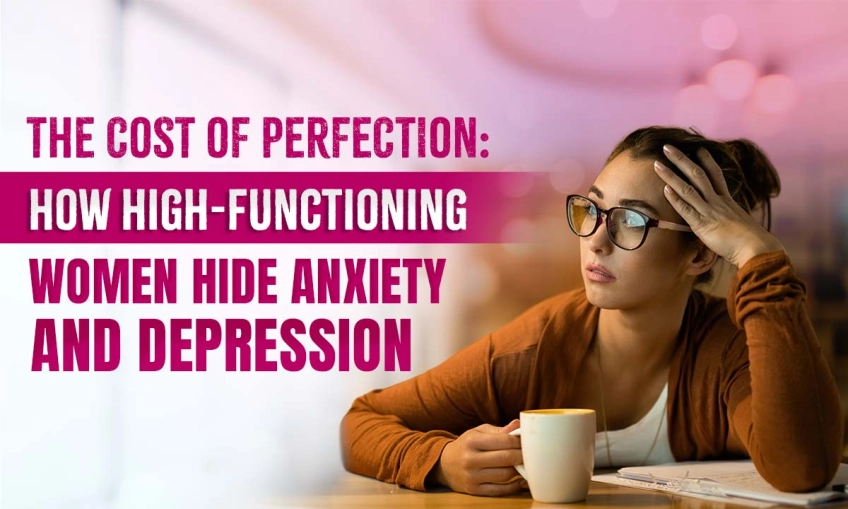
In today's fast-paced world, many women feel the pressure to juggle multiple roles flawlessly. Whether it's at home, at work, or in social settings, the expectation of perfection is overwhelming. But beneath this mask of competence and achievement, many high-functioning women are silently battling anxiety and depression. These mental health struggles are often hidden behind a façade of success, making it difficult for others to see the signs of distress.
In this blog, we will delve into the complexities of high-functioning anxiety and high-functioning depression in women. We will explore how these conditions manifest, why they are so often overlooked, and how women can take steps to seek help and find balance in their lives.
What is High-Functioning Anxiety?
High-functioning anxiety is a form of anxiety disorder where the person appears outwardly successful, calm, and composed, but internally, they are grappling with constant worry and tension. Unlike other types of anxiety disorders, those with high-functioning anxiety can maintain a facade of normalcy, often excelling in their personal and professional lives despite feeling overwhelmed.
Signs of High-Functioning Anxiety in Women:
- Overthinking: Women with high-functioning anxiety often overanalyze every situation, fearing mistakes and possible negative outcomes.
- Perfectionism: A need for everything to be perfect, which can lead to chronic dissatisfaction and frustration.
- Constant Worry: Persistent worry about the future, work, relationships, and personal performance.
- Physical Symptoms: Headaches, insomnia, tight muscles, and stomach issues caused by the constant stress of managing anxiety.
- Avoidance of Downtime: Fear of being unproductive can cause women to avoid relaxing or taking breaks, leading to burnout.
The Hidden Struggles of High-Functioning Depression
High-functioning depression, or dysthymia, is another condition that often goes unnoticed. Women with high-functioning depression might appear fine on the outside, but internally, they feel emotionally numb or sad most of the time. They go through the motions of daily life but struggle to feel engaged or joyful.
Signs of High-Functioning Depression in Women:
- Chronic Fatigue: Feeling tired or drained even after a full night’s rest, due to the emotional and mental toll of depression.
- Loss of Interest: A lack of interest or pleasure in activities once enjoyed, such as hobbies or social gatherings.
- Mood Swings: Frequent periods of sadness or irritability, often triggered by stress or pressure.
- Difficulty Concentrating: Struggling to focus, making it hard to complete tasks or engage in meaningful conversations.
- Low Self-Esteem: Feeling worthless or inadequate, despite external success.
Why Women Struggle to Seek Help
The societal pressure to appear perfect plays a significant role in why high-functioning women often don’t seek help for their mental health issues. Women are often taught to prioritize the needs of others, and the idea of "having it all together" is deeply ingrained in many cultures. For some, admitting to anxiety or depression feels like a personal failure, leading them to hide their struggles.
Moreover, the stigma surrounding mental health can make it difficult for women to openly discuss their challenges. They might fear judgment or being seen as weak, which further reinforces their isolation. The constant effort to maintain appearances leads to a dangerous cycle of silence and suppression.
The Impact of High-Functioning Anxiety and Depression
When left unchecked, high-functioning anxiety and depression can have serious consequences, even if the person appears to be managing. Chronic stress can take a toll on physical health, leading to issues such as heart disease, autoimmune disorders, or digestive problems. Moreover, untreated anxiety and depression can strain relationships, hinder career growth, and affect overall well-being.
- Physical Health Risks: The constant state of fight-or-flight mode that comes with high-functioning anxiety can lead to physical exhaustion and long-term health issues.
- Strained Relationships: Women with these conditions may withdraw from loved ones, either because of emotional exhaustion or fear of being misunderstood.
- Career Burnout: The pressure to perform at a high level while managing mental health struggles can lead to burnout, which negatively impacts productivity and job satisfaction.
Breaking the Silence: How Women Can Seek Help
Breaking free from the cycle of perfectionism and mental health struggles requires acknowledgment and self-compassion. Here are some steps that women can take to manage high-functioning anxiety and depression:
- Acknowledge the Struggle: The first step is to admit that there is a problem. Recognizing that high-functioning anxiety or depression exists can be empowering and allow for change.
- Seek Professional Help: Consulting a mental health professional is crucial for proper diagnosis and treatment. Therapy, such as cognitive-behavioral therapy (CBT), can help women manage negative thought patterns and build healthier coping mechanisms.
- Prioritize Self-Care: Women must learn to set boundaries, delegate tasks, and make time for self-care activities that nurture their mental and physical health.
- Build a Support System: Reaching out to trusted friends or family members can provide emotional support and reduce feelings of isolation.
- Practice Mindfulness: Techniques like meditation, yoga, or deep-breathing exercises can help manage stress and anxiety, leading to a more balanced state of mind.
Conclusion
High-functioning anxiety and depression in women are complex and often overlooked mental health issues that deserve more attention. Women who are struggling with these conditions are often in plain sight, appearing successful and composed, but internally, they are battling intense emotions and fears. It is essential to break the silence, seek help, and prioritize mental well-being.
By acknowledging the signs, seeking professional support, and practicing self-care, women can begin to take control of their mental health and live a more balanced life, free from the overwhelming pressure to be perfect. At Athena Okas, we believe that mental health is just as important as physical health, and everyone deserves the chance to thrive.