
Women-Only Healing Center
For Women, By Women, 100% Safe.
Take the First Step to Recovery
Looking for a Safe, Women-Only Treatment Center? Learn more about Athena Okas.
Women often experience mental health issues differently than men. This difference manifests in the form of symptoms, progression of the condition, severity and treatment response. In such a scenario, a generalized treatment plan cannot be effective for females. Therefore, Athena OKAS offers specialized care and personalized support to help females heal at their own pace.
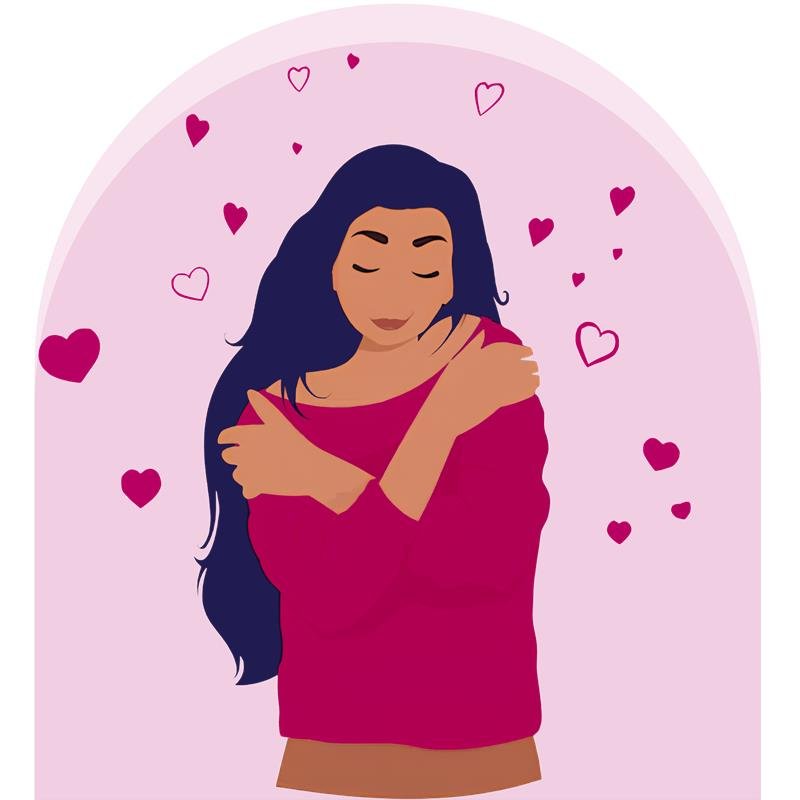
We provide a safe, supportive, and confidential space for women to talk about their mental health challenges without fear of stigma or judgment. Our safe-care protocols prioritize comfort, dignity, and trust at every step.

Through counseling, group work, and community resources, we help women build meaningful connections and a reliable support system. Healing is easier when you don’t have to do it alone.

A warm, welcoming environment where you are seen, heard, and respected. Our spaces are designed to promote comfort, calm, and a sense of belonging so you can focus on getting better.
3000+
Women Empowered
Women supported on their journey toward mental health recovery
100%
Female Staff
A safe, secure, and empathetic environment with an all-women team.
90%
of Women Feel Safe
Building Trust Fast within the first week of admission
90%
Faster Recovery
Healing Accelerated in Women with Gender-Specific Care
We Care With Compassion
We understand that every individual is unique, and we strive to offer personalized support that promotes healing, comfort, and well-being.
Hear them out!
Guiding Women Toward Healing, Strength, and Renewal
At Athena Okas, we provide compassionate care to women in a safe and judgement-free environment while empowering them to reclaim the confidence and peace.
Why Women-Only Matters
Every aspect of Athena OKAS—from our programs to our staff—is designed exclusively for women. Every aspect of care here is designed for women, by women — led by an all-female clinical team to ensure safety, comfort, and empathy at every step of healing.
1
Safety & Security (Core Reason)
Because women deserve a safe, secure space where their vulnerabilities are respected, not exploited. Athena Okas offers an all-women environment with female staff, so recovery feels protected and empowering.
2
Specialized Care (Unique Value)
Because women experience mental health challenges differently. Athena Okas is exclusively designed to address women’s unique needs, ensuring empathy, dignity, and care without judgment.
3
Emotional Connection (Family Perspective)
Because families want peace of mind knowing their daughters, sisters, and mothers are healing in the right hands. Athena Okas is not just a hospital — it’s a haven for recovery, safety, and rebuilding lives.
4
Identity & Empowerment
Because every woman deserves to reclaim her strength. Athena Okas helps women move from pain to power, from stigma to self-worth.
5
Social Impact
Because changing one woman’s life transforms an entire family. Athena Okas stands for a future where women’s mental health is prioritized, respected, and cared for with compassion.
Take the First Step to Recovery
Fill out the form below, and our team will get back to you as soon as possible.
 WhatsApp Us