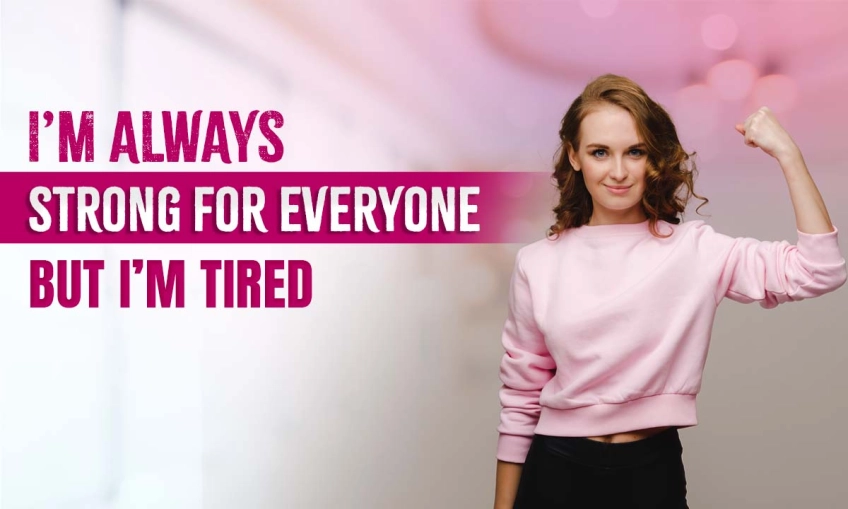
I am always strong to everybody--but I am weary.
You are the one whom everyone relies on.
The listener. The problem-solver. The strong one.
You give others room, take up duties without grumbling, and continue to move on regardless of what life throws at you. However, recently, there has been a sense of something different.
- You are not only fatigued.
- You’re emotionally exhausted.
And what you have been evading is the truth:
It is gradually destroying you to be strong at all times.
What Is Emotional Exhaustion?
Emotional exhaustion does not merely mean that one is exhausted after a hard day. It is a profound, pervasive condition of having mental, physical, and emotional exhaustion when even simple activities seem to be daunting.
It is usually a result of years of stress, continuous caregiving, or putting up with other people, and not expressing yourself.
On the outside, you may be all right, but inside, you are:
- Drained
- Disconnected
- Irritable
- Numb
That is what emotional burnout looks like.
Tired of Being Strong — Why It Happens
Being the strong one may begin as a role at first, but it turns into who you are with time.
You may:
- Do not request assistance.
- Be accountable for the happiness of everyone.
- Disregard your own needs.
- There is no option to show weakness.
However, it is exhausting to bear it all, and it causes emotional burnout.
Your emotional well-being is depleted after a certain period of time when you are continuously giving, supporting, and handling. And it is then you start to feel:
- Sick and tired of being strong.
- Shattered without understanding why.
- As though you were losing yourself.
Compassion Fatigue: Caring Is Demanding
In case you are always on the side of people, whether emotionally, physically, or mentally, then you might be having compassion fatigue.
Compassion fatigue is the condition when your capacity to care begins to decrease due to the excess of giving yourself out for too long. It is particularly widespread in:
- Caregivers
- Healthcare workers
- Parents
Individuals taking care of mentally ill or addicted loved ones.
Symptoms of compassion fatigue include:
- Feeling emotionally numb
- Shy away from people or duties.
- Irritability or frustration
- Lack of motivation
- Not connected with others.
Compassion fatigue may eventually develop into complete emotional exhaustion unless it is handled.
Understanding Caregiver Burnout
Caregiver burnout may be what you are experiencing if you are taking care of someone (a child, parent, partner, or patient).
The term caregiver burnout is a condition that manifests itself through emotional, mental, and physical fatigue due to extended caregiving duties.
Caregiver Burnout Symptoms
Certain typical symptoms of caregiver burnout are:
- Chronic fatigue
- A sense of powerlessness or despair.
- Withdrawal from social life
- Changes in sleep or appetite
- Anxiety or depression
- Irritability or anger
You can be ashamed of being this way, but burnout does not imply that you do not care; you have been caring too much without being supported.
Am I an Emotionally Weak Person?
Most individuals who suffer emotional burnout begin to term themselves as emotionally weak individuals. But let’s be clear:
- You are not weak.
- You are overwhelmed.
- There is a difference.
Experiencing exhaustion, being sensitive, or not being able to handle something does not imply that you are weak and in need of rest, assistance, and treatment.
The Hidden Cost of Being Mentally, Physically, Emotionally Tired
You are always mentally, physically, emotionally tired exhausted: it starts to reflect on all spheres of your life:
1. Your Mental Health
You can be anxious, overthinking, or depressed.
2. Your Relationships
You can be far, frustrated, or unattached to others.
3. Your Physical Health
There may be chronic fatigue, headaches, and weakened immunity.
4. Your Self-Concept
You can become confused, not knowing who you are outside of your duties.
This explains why it is not sustainable to ignore emotional exhaustion.
Why Women Are More Prone to Emotional Burnout
Women, in particular, are usually expected to:
- Be emotionally available
- Manage family responsibilities
- Handle professional pressure
- Maintain relationships
This balancing act, which is always in constant motion, may have a grave toll on the mental health of women. There are a lot of women who are silent sufferers of:
- Emotional burnout
- Compassion fatigue
- Caregiver burnout
However, they are reluctant to receive assistance because of guilt, stigma, or social pressures.
When Emotional Exhaustion Turns Into a Bigger Concern
Unchecked, emotional exhaustion may become:
- Severe anxiety
- Depression
- Substance dependence
- Emotional breakdowns
Professional rehabilitation and systematic mental health treatment can be required at this point.
In a female rehab center or women's mental hospital, women can find a safe and conducive environment where they can:
- Heal emotionally
- De-traumatize or overcome burnout.
- Restore their psychological power.
Asking someone to assist is not a defeat; it is a great move towards recovery. If you’re looking for specialized panic disorder treatment to manage sudden anxiety attacks and regain control over their thoughts and body
The Rules of Starting Healing
Emotional exhaustion cannot be fixed in one day, but a bit can be an enormous progress.
1. Acknowledge Your Feelings
Quit holding back your feelings. There is nothing wrong with admitting that you are struggling.
2. Set Boundaries
Master saying no. Defend your time and energy.
3. Ask for Help
You do not need to do everything yourself.
4. Prioritize Rest
Your mind and body require rest.
5. Seek Professional Support
You can be healed by therapists, counselors, or rehabilitation centers.
You Don’t Have to Be Strong All the Time
The notion that you have to be strong all the time is tiresome - and not realistic.
Strength does not imply enduring everything without saying. Real strength is:
- Asking for help
- Taking breaks
- Making personal decisions when necessary.
You need attention, as well.
A Gentle Reminder
In case you have been keeping everyone held together, let it go.
There is nothing wrong with being exhausted.
And that it is all right to require assistance.
Call for Help — Athena Okas
Athena Okas knows that it is heavy to be a strong person all the time. We offer caring, personalized services to women who have:
- Emotional exhaustion
- Compassion fatigue
- Caregiver burnout
- Mental health challenges
As a reputable female rehabilitation center, we specialize in mental health and holistic rehabilitation of women in a secure and supportive setting. You need not go through this all by yourself.
Reach out today. We will be with you in the time of healing. Contact Athena OKAS, a Women's Rehab Center in Gurgaon at +91 9289730444.


