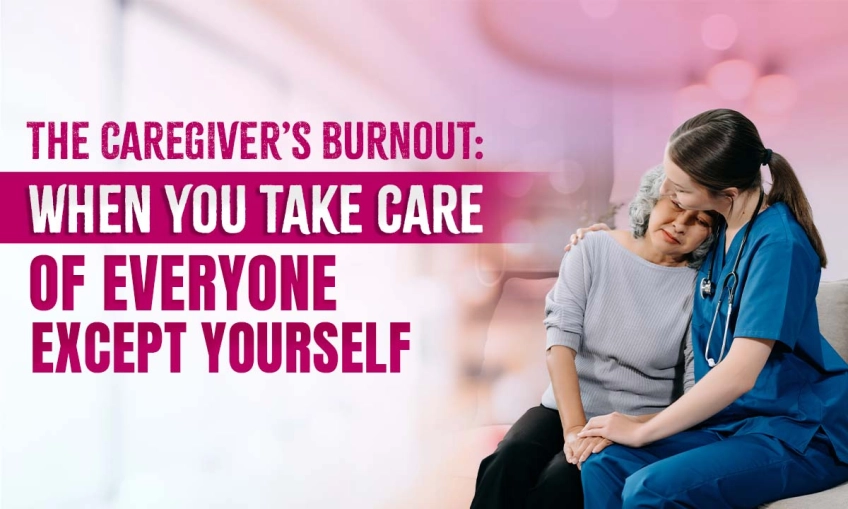
Caregivers are the unsung heroes in society, often providing care for loved ones in need while sacrificing their own well-being. In fact, caregiving is a rewarding but demanding role, and many caregivers experience caregiver burnout—a state of physical, emotional, and mental exhaustion. While they dedicate their time to looking after others, the strain can cause them to neglect their own health and happiness. This blog will explore the concept of caregiver burnout, delve into its causes, signs, and symptoms, and most importantly, highlight the importance of self-care for caregivers to prevent burnout. This article will also focus on strategies to protect the mental health of caregivers and ways to prevent caregiver burnout.
Understanding Caregiver Burnout
Caregiver burnout occurs when individuals providing care to others—whether elderly parents, spouses with chronic illnesses, or children with disabilities—become overwhelmed by the demands of caregiving. While caregiving is a noble task, it can take a toll on the caregiver’s health. Many caregivers push themselves to the limit, both physically and emotionally, to meet the needs of their loved ones.
Over time, the emotional and physical strain of caregiving without adequate support can lead to caregiver stress, caregiver fatigue, and depression. A 2019 study published in the Indian Journal of Psychiatry showed that nearly 60% of caregivers experienced stress, anxiety, and burnout due to their caregiving duties. Caregiver burnout can severely affect the caregiver’s ability to function, leading to a decline in the quality of care provided to the person in need.
The Impact of Caregiver Burnout on Mental Health
The mental health of caregivers is significantly impacted by the stress and fatigue associated with caregiving. Caregiver burnout often leads to feelings of anxiety, sadness, and helplessness. Caregivers who do not take time to care for themselves are more likely to experience depression, isolation, and even physical health problems like hypertension and heart disease.
Furthermore, caregiver stress can lead to caregiver fatigue, where caregivers feel constantly tired and unable to function at their best. The emotional exhaustion from caregiving responsibilities can cause caregivers to feel resentment, frustration, and guilt. These emotions can create a vicious cycle, where the caregiver feels like they are failing at their role, which only increases stress and contributes to further burnout.
Signs and Symptoms of Caregiver Burnout
Recognizing the symptoms of caregiver burnout is crucial for early intervention. The signs of burnout can be physical, emotional, and behavioral. Here are some of the most common indicators:
Physical Signs of Burnout
Chronic fatigue: Feeling exhausted all the time, even after a full night’s sleep, is one of the first signs of burnout.
Sleep disturbances: Difficulty falling asleep or staying asleep, or experiencing poor-quality sleep, is another common symptom of burnout.
Physical ailments: Frequent headaches, back pain, stomach problems, or high blood pressure can develop due to constant stress and lack of self-care.
Emotional Signs of Burnout
Emotional exhaustion: Feeling drained, hopeless, or overwhelmed by caregiving responsibilities can lead to emotional burnout.
Irritability or anger: Caregivers may become easily agitated or frustrated, even in situations where they would normally remain calm.
Feelings of guilt: Many caregivers experience guilt for not being able to do more or for taking time for themselves, which can worsen mental health issues.
Behavioral Signs of Burnout
Withdrawal from social activities: Caregivers may isolate themselves from family and friends, feeling they have no time for socializing or personal activities.
Decreased quality of care: When caregivers are mentally and physically exhausted, the care they provide may become less effective. They might forget appointments, neglect daily tasks, or experience frustration with their loved one’s condition.
Common Causes of Caregiver Burnout
Understanding the causes of caregiver burnout is essential to developing effective strategies for prevention. Here are some common contributors:
Lack of Support
Caregiving can be isolating, and many caregivers do not have the support they need from family or friends. When caregivers are expected to manage everything on their own, the burden becomes too much to bear. A lack of professional assistance or help from other family members can leave caregivers feeling alone and overwhelmed.
Emotional and Physical Strain
Caregiving often involves emotional support, physical assistance, and managing medical needs. The emotional stress of watching a loved one suffer can be draining, especially if the caregiving journey is long-term. The physical demands, such as lifting, bathing, or helping with mobility, can also contribute to caregiver fatigue.
Financial Stress
In many cases, caregiving requires a significant time commitment, which can result in reduced work hours or even quitting a job. The financial strain that comes with caregiving—along with medical expenses or the costs of hiring professional help—can increase stress levels and contribute to burnout.
Unrealistic Expectations
Caregivers often feel that they must be “perfect” in their role. The pressure to always be available, always provide excellent care, and always be strong can lead to unrealistic expectations. This can cause caregivers to push themselves beyond their limits and increase the risk of burnout.
How to Prevent Caregiver Burnout: Self-Care Strategies
Preventing caregiver burnout requires intentional efforts to prioritize self-care. Here are some strategies that caregivers can implement to protect their mental health and prevent burnout:
1. Set Boundaries and Seek Help
Setting clear boundaries is essential for maintaining mental health. Caregivers should learn to say no when they are at capacity. It’s also essential to ask for help. Whether it’s asking a family member to step in, hiring a professional caregiver, or joining a support group, caregivers should recognize that it’s okay to need assistance.
2. Practice Self-Care Regularly
Self-care for caregivers is not a luxury—it’s a necessity. Caregivers must take time to focus on their own well-being. This can include regular exercise, hobbies, socializing with friends, or simply taking time for relaxation. Even small breaks can make a significant difference in reducing stress and preventing burnout.
3. Seek Professional Support
Caregivers should not hesitate to seek professional support, whether it’s through therapy, counseling, or caregiver support groups. Talking to others who understand the challenges of caregiving can provide emotional relief and practical advice. Counseling can also help caregivers process their emotions and develop coping strategies.
4. Take Regular Breaks
Caregivers should schedule regular breaks throughout the day, even if it’s only for 10-15 minutes. Use this time to step away from caregiving duties, take a walk, meditate, or simply relax. Taking time for yourself is vital for preventing exhaustion and maintaining emotional balance.
5. Maintain a Healthy Lifestyle
Physical health is closely linked to mental well-being. Eating a balanced diet, staying hydrated, and getting enough sleep are essential for managing stress. Regular physical activity, even a daily walk, can significantly improve mood and reduce feelings of anxiety and depression.
Read Also: Motherhood Burnout and Substance Crisis
Conclusion: Caring for Caregivers
The role of a caregiver is one of the most selfless and rewarding, but it can also be incredibly taxing on the caregiver’s health. Caregiver burnout is a real and significant challenge, but it is preventable with the right strategies in place. By practicing self-care for caregivers, setting boundaries, seeking support, and maintaining a healthy lifestyle, caregivers can protect both their mental health and the quality of care they provide.
If you or someone you know is experiencing caregiver burnout, caregiver stress, or caregiver fatigue, remember that help is available. Prioritize your well-being, seek support, and take small steps toward reducing stress. Athena Okas encourages you to take the time for self-care—you deserve it. Taking care of yourself is the first step toward continuing to provide care to others.
By recognizing the signs of caregiver burnout and implementing self-care strategies, caregivers can continue to be the backbone of our communities while ensuring their own health and happiness.