Period cramps can make that time of the month unbearable. For many, it’s not just a mild discomfort but a real struggle that affects daily life. If you’re looking for home remedies for period cramps that can help ease the pain naturally, you’re in the right place. Whether you’re seeking period pain relief at home or simply want to reduce discomfort without relying on medication, we’ve got you covered with effective and simple remedies you can try today!
What Causes Period Cramps?
Before jumping into the remedies, let’s quickly understand why cramps happen. Period cramps, also known as menstrual cramps or dysmenorrhea, occur when your uterus contracts to shed its lining. These contractions can cause sharp or dull pain in the lower abdomen, and sometimes they radiate to your lower back and legs. Hormones called prostaglandins trigger these contractions, and higher levels of prostaglandins tend to result in more intense cramps.
Best Home Remedies for Period Cramps
If you’re tired of reaching for painkillers every month, these natural remedies for period cramps will give you the relief you need—right at home.
1. Heat Therapy: The Go-To Remedy
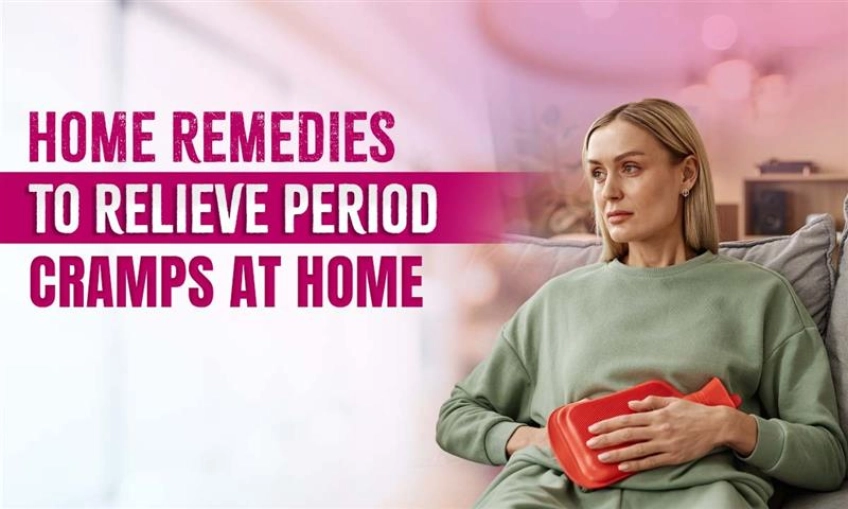
Applying heat to your abdomen is one of the easiest and most effective menstrual cramp remedies. Heat helps to relax the muscles in your uterus, which reduces the intensity of cramps.
How to Use:
- Use a heating pad, hot water bottle, or warm compress on your lower abdomen.
- Try a warm bath to help relax your muscles further.
Just 15–20 minutes of heat can work wonders for soothing cramps.
2. Herbal Teas to the Rescue
Drinking warm herbal teas isn’t just comforting—it’s one of the best ways to reduce period cramps naturally. Certain herbs have anti-inflammatory properties that help calm muscle contractions and relieve pain.
Best Herbal Teas for Cramps:
- Ginger Tea: Known for its anti-inflammatory benefits, ginger also helps with nausea that may come with period cramps.
- Chamomile Tea: Chamomile relaxes muscles and reduces pain.
- Peppermint Tea: It has muscle-relaxing properties that can ease cramping.
- Cinnamon Tea: Cinnamon is rich in antioxidants and can ease pain and inflammation.
Sip on these teas throughout the day to keep cramps at bay.
3. Magnesium-Rich Foods for Muscle Relief
Did you know that eating the right foods can also help ease cramps? Magnesium-rich foods are especially helpful since magnesium helps relax the muscles of your uterus and prevents spasms.
Magnesium-Rich Foods:
- Dark leafy greens (like spinach)
- Nuts and seeds (such as almonds and sunflower seeds)
- Avocados
- Bananas
- Dark chocolate (yes, please!)
Incorporating these into your diet may help you feel better during your period. You can even try magnesium supplements if needed, but be sure to consult your healthcare provider first.
4. Stay Active with Light Exercise
It’s easy to want to curl up in bed when cramps hit, but moving your body can actually help. Exercise stimulates the release of endorphins—your body’s natural painkillers.
Exercise Ideas:
- Walking: A gentle walk can increase blood flow and reduce cramping.
- Yoga: Certain yoga poses, like the child’s pose or cat-cow stretch, can help relieve pelvic pain.
- Swimming: The water helps support your body, and the gentle movement can reduce tension.
Just 20 minutes of light exercise can give you the relief you need.
5. Essential Oils for Instant Relief
Essential oils are not only soothing to the senses but also help relieve menstrual cramps. Aromatherapy has been used for centuries to reduce pain, and these oils are particularly effective.
Best Essential Oils for Cramps:
- Lavender: Calms the nervous system and relieves muscle tension.
- Clary Sage: Reduces inflammation and balances hormones.
- Peppermint: Provides a cooling sensation and helps relieve muscle pain.
- Rosemary: Helps reduce pain and improve circulation.
You can dilute these oils with a carrier oil (like coconut oil) and massage them into your abdomen or use them in a diffuser.
6. Drink Plenty of Water
Hydration is key! When you’re dehydrated, it can worsen cramps, making them more intense. Drinking enough water helps prevent bloating and ensures your muscles function properly.
Tip: Try drinking warm or lukewarm water, as it can soothe cramps better than cold water.
7. Acupressure for Pain Relief
Acupressure is another excellent technique for reducing menstrual cramps. By applying pressure to specific points on the body, you can alleviate pain and reduce muscle tension.
Effective Acupressure Points:
- Lower Abdomen (Ren 6): Located just below the belly button, gentle pressure here can relieve cramps.
- Ankle (Spleen 6): Located on the inside of the ankle, this point helps ease pelvic discomfort.
- Wrist (Pericardium 6): Apply gentle pressure 2-3 finger widths below your wrist for nausea relief.
Acupressure is a quick and easy way to alleviate pain naturally.
8. Avoid Certain Foods During Your Period
While there are foods to reduce period cramps, there are also foods you should avoid. High-sugar, salty, or fatty foods can make cramps worse and contribute to bloating.
Foods to Avoid:
- Caffeine: It can cause blood vessels to constrict, making cramps worse.
- Salty Foods: These cause water retention and increase bloating.
- Fatty Foods: Processed foods high in fat can increase inflammation.
Try cutting back on these during your period to see if it helps relieve pain.
Read Also: How Hormone Affect Women's Mental Health
Additional Tips for Reducing Period Cramps
- Sleep Well: Proper rest is essential for your body to recover and heal, reducing the severity of cramps.
- Stress Management: Practice relaxation techniques like deep breathing, meditation, or mindfulness to reduce the impact of stress on your body.
Read Also: Can Yeast Infections Affect Mental Health?
Conclusion
If you're looking for effective home remedies for period cramps, there are plenty of natural options to try. Heat therapy, herbal teas, magnesium-rich foods, and gentle exercise can all help reduce discomfort during your period. Incorporating these simple remedies into your routine can make a significant difference in how you feel each month.
If cramps continue to affect your quality of life, don’t hesitate to reach out to a healthcare professional for additional guidance.
For more tips on managing your menstrual health, visit Athena OKAS for expert advice and natural solutions.