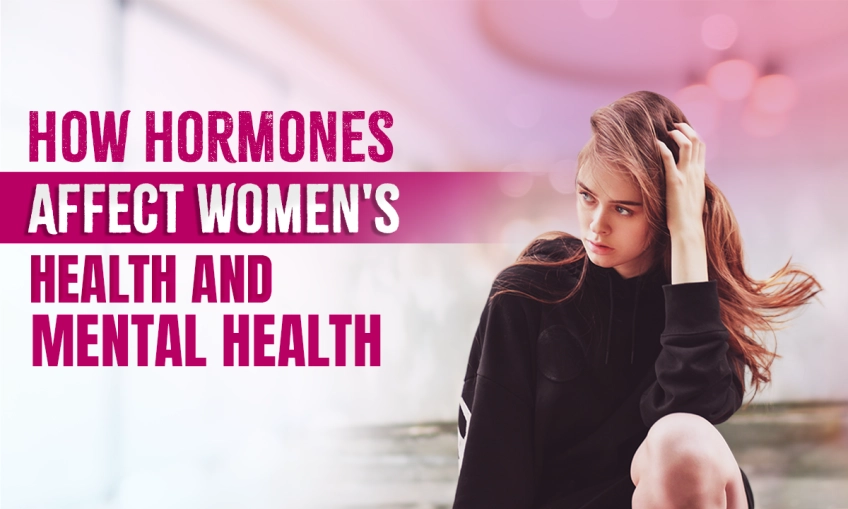
Hormones are essential messengers in the body that regulate various bodily functions. In women, hormonal fluctuations are a natural part of life, from puberty through to menopause.
Such changes may be very serious in terms of physical and women’s mental health, not only mood and energy, but also skin condition and reproduction. At Athenaokas, we understand that making life-changing improvements can be hard, especially when you're doing it alone.
In this blog, we are going to explore the role of hormones in the health and mental issues in women, the most prevalent symptoms of hormonal imbalances, and how people can manage hormonal changes to improve mental health.
What Are Hormones & Why Do They Matter?
Hormones are chemical substances produced by the endocrine glands in the body. These chemicals move in the bloodstream and attach to particular receptors in different tissues and organs. In women, estrogen, progesterone, and testosterone hormones control the menstrual cycle, fertility, bone, mood hormones, and even cognitive abilities.
Hormones do not simply play the role of reproductive hormones and are involved in managing stress, metabolism, sleep cycles, etc. Thus, in case of imbalance or variation of the level of hormones, it may lead to physical and emotional symptoms. Hormonal imbalance expresses in the form of fatigue, weight gain, or skin health variations, such as mood swings, anxiety, and depression.
Signs & Symptoms of Hormonal Imbalance
Hormonal imbalances can occur due to numerous reasons, such as stress, pregnancy, medical problems, and aging. The symptoms of the hormonal imbalance may be extremely different depending on the hormone imbalance and the age. Nevertheless, some general symptoms that women can be subjected to are:
Mood swings: Unpredictable emotional changes, between being happy and being irritated or depressed.
Fatigue: Experiencing the feeling of exhaustion despite a restful night.
Weight changes: Rapid increase or decrease in weight without dietary or physical activity.
Sleep problems: not being able to sleep or falling asleep.
Hot flushes and night sweats: This occurs especially during perimenopause and menopause.
Anxiety or depression: Hormonal imbalance and mental health may directly influence neurotransmitters such as serotonin and dopamine, and cause anxiety or depression.
Irregular periods: Periods can also be heavier, lighter, or even cease to flow in instances of hormonal imbalance, and also affect mood swings after the period
Hormones in Women & Their Roles:
There are numerous hormones and emotions that control the health of women. The roles of each hormone are distinct in the way they control several functions of the body. These are the major hormones that have an impact on the health and mental state of women:
Estrogen
The most important female sex hormone is estrogen, which controls the menstrual cycle and reproductive health. It is also useful in the upkeep of healthy bones, skin, and heart. Estrogen also controls mood hormones and emotions, so that variations in estrogen levels may be responsible, during and around menopause, for mood swings, irritability, and even hormonal depression.
Symptoms of estrogen imbalance:
- Anxiety
- Irritability
- Hot flashes
- Sleep disturbances
Progesterone
Another important hormone is progesterone, which collaborates with estrogen to control the menstrual cycle and maintain a pregnancy. It relaxes the brain, hence the reason why low progesterone levels might result in feelings of anxiety and female mood swings.
Symptoms of progesterone imbalance:
- Anxiety
- Irregular periods/Mood swings after periods
- Insomnia
Testosterone
Testosterone, which is commonly linked to the health of men, also occurs in women in very low quantities. It helps to control libido, energy, and muscle mass. The women who experience low testosterone levels may develop fatigue, lack of motivation, and sadness or hormonal depression.
Testosterone imbalance symptoms:
- Low energy
- Decreased libido
- Fatigue
Cortisol
Cortisol is commonly referred to as the stress hormone, as it is secreted when one is stressed. Although cortisol is needed in the body to react to stress, excessive cortisol may lead to other issues like anxiety, weight gain, and mood swings in women.
Cortisol imbalance symptoms:
- Anxiety
- Irritability
- Sleep disturbances
- Weight gain
Thyroid Hormones (T3 and T4)
The thyroid gland is the one that produces hormones that control metabolism. A low-functioning thyroid (hypothyroidism) may result in fatigue, weight gain, and hormonal depression, whereas an overactive thyroid (hyperthyroidism) may result in anxiety, irritability, and sleep problems.
Signs of imbalance of the thyroid:
- Fatigue
- Weight gain or loss
- Depression (hypothyroidism)
- Anxiety (hyperthyroidism)
Stages With Major Hormonal Effects
The change of hormones is a natural process for a woman, and at different stages it can be different. These changes can be very significant both physically and psychologically:
1. Puberty
Girls during puberty undergo a drastic rise in estrogen and progesterone, which contribute to the development of secondary sexual characteristics and the beginning of the menstrual cycle. This is normally a time full of emotional highs and lows, such as mood swings after the period, irritability, and increased sensitivity.
2. Pregnancy & Postpartum
Pregnancy hormonal changes equip a woman to be ready to deliver the child; however, they may cause mood swings, anxiety, and fatigue. The abrupt loss of estrogen and progesterone after childbirth may be the cause of postpartum depression.
3. Perimenopause & Menopause
When women reach perimenopause and menopause, estrogen levels decline, which results in various symptoms such as mood swings, hot flashes, night sweats, and a high chance of developing depression. Such changes may also affect cognitive ability and cause memory issues or brain fog.
How Hormonal Imbalance Affects Mental Health
The hormonal imbalances are closely related to a number of mental health conditions among women. Hormones such as estrogen and progesterone are direct causes of changes in the level of neurotransmitters in the brain, including serotonin, dopamine, and GABA, that control mood, emotions, and cognitive abilities. Fluctuation of these hormones may lead to mood swings, anxiety, depression, and even cognitive deterioration.
Indeed, a reduction of estrogen is linked to symptoms of hormonal depression as the hormone has an important role in controlling serotonin levels, a neurotransmitter that stabilizes mood. Likewise, the cortisol imbalance, the hormone of stress, may cause an increase in anxiety and irritability.
Signs of Hormonal Imbalance That Affect Mental Health
It can be concluded that a hormonal imbalance may affect the mental health of a woman, which is evident in several ways. These signs include:
- Frequent mood swings: alternating emotions between happiness and irritability or sadness.
- Excessive nervousness or anxiety: This may be brought about by hormonal changes, especially in progesterone and cortisol.
- Depression: The constant feeling of sadness, loss of interest in something, and low performance.
- Brain fog: It is hard to focus or recall anything, particularly in menopause or with thyroid problems.
Managing Hormonal Imbalance for Better Mental Health
Treatment of hormonal imbalances is a mixture of medical therapies and lifestyle modifications:
1. Hormone Replacement Therapy (HRT)
Hormone replacement therapy is also used in treating women who are in perimenopause or in menopause to help stabilize the level of estrogen and to manage most of the symptoms that accompany it, such as mood swings and depression.
2. Healthy Lifestyle
Hormones can be stabilized by consuming a balanced diet that is high in the necessary nutrients, such as vitamins B, D, and magnesium. Exercise will also be essential in hormonal regulation, lowering cortisol, and enhancing mood.
3. Stress Management
Deep breathing exercises, yoga, and mindfulness activities are relaxation practices that can be used to lower the cortisol level and enhance emotional health.
4. Medication
In other instances, women might need antidepressants, anti-anxiety drugs, or thyroid hormone replacement therapy to cope with the symptoms.
Diagnosis and Treatment
In case you believe that you have a hormonal imbalance and mental health issue, it is necessary to consult a doctor. To detect the level of imbalances, a healthcare provider may perform blood tests to determine the level of hormones in the body. The type of treatment will depend on the type of hormone involved and the extent of your symptoms.
These can involve hormone replacement therapy, drugs to control thyroid activity, or lifestyle modification to deal with stress and enhance mental health.
Conclusion
Women experienced hormone changes in females, which are not only harmful to physical health but also to mental health. Knowing about the influence of hormones and their effects on health and mood, women may take a proactive step.
“If you're struggling with the hormonal imbalances and mental health or need support in managing hormonal mood swings, anxiety, or other symptoms related to hormonal changes, know that you’re not alone. Take that first step towards healing today. Visit Athenaokas.com or call us at +91 9289730444. Together, we can guide you through the journey to balance, peace, and comfort."