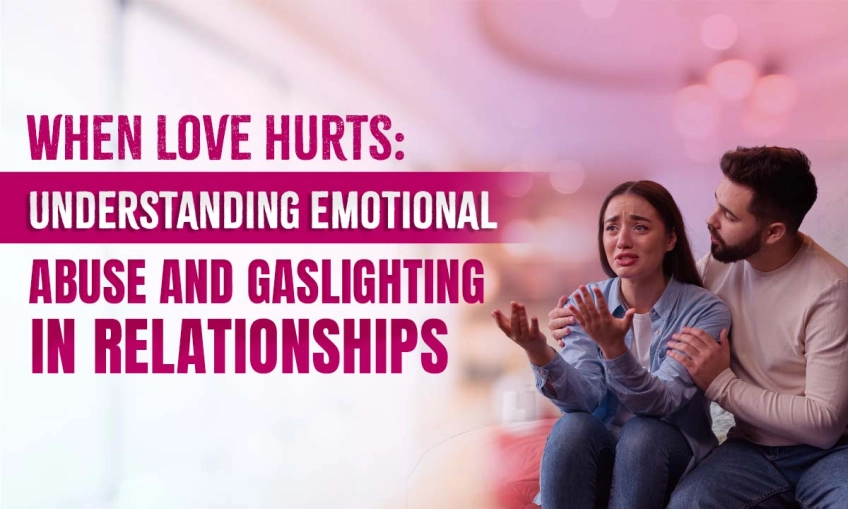
Emotional abuse in relationships rarely looks dramatic at first. It’s quiet, subtle, and often dismissed as “normal conflict.” But over time, it chips away at your sense of reality and self-worth. Many people stay confused for years because the damage doesn’t come from shouting—it comes from psychological patterns that distort how you think, feel, and respond.
This article breaks down the signs, patterns, and impact of emotional abuse and gaslighting in relationships in a clear, practical, and evidence-informed way. Whether you’re noticing early red flags or trying to make sense of long-term pain, this information gives you clarity grounded in real behavioral science and clinical patterns recognized by mental health professionals.
What Emotional Abuse in Relationships Really Looks Like
Emotional abuse in relationships is a pattern of behaviors meant to control, belittle, or destabilize a partner. It doesn’t have to involve threats or yelling. In many cases, the abuser slowly creates an environment where you doubt your own judgment.
Common behaviors include:
- Rewriting events to make you question your memory
- Dismissing your feelings as “overreacting”
- Giving affection only when you comply
- Criticizing your decisions, appearance, or abilities
- Withholding communication to punish you
Many individuals realize something feels “off,” but can’t pinpoint it. That confusion is not accidental; it’s part of the cycle.
How Emotional Manipulation Starts Subtly
Most toxic relationship patterns begin with charm, attention, or even intense connection. People misinterpret this early bonding as compatibility. The shift to emotional manipulation happens gradually.
A classic pattern looks like this:
- Idealization: Excessive praise, attention, and promises.
- Devaluation: Sudden criticism, mood swings, or coldness.
- Control: Subtle guilt trips, silent treatment, or blame-shifting.
- Dependence: You feel responsible for keeping the peace.
The abuser uses emotional “push and pull” dynamics to make their partner uncertain and compliant.
Gaslighting in Relationships: The Most Damaging Form of Abuse
Gaslighting in relationships is psychological manipulation where one partner deliberately makes the other question their reality. It’s especially dangerous because it targets your certainty, memory, and emotional grounding.
Examples include:
- “That never happened. You’re imagining things.”
- “You’re too sensitive. No one else would react like you.”
- “You’re crazy. You always twist things.”
- “Everyone agrees with me—you’re the problem.”
Gaslighting creates dependence because you slowly stop trusting yourself and start relying on the abuser for “clarity.”
Core Signs of Emotional Abuse You Shouldn’t Ignore
If you constantly feel confused, guilty, or anxious around your partner, pause. These patterns align with documented signs of emotional abuse:
1. You feel criticized or belittled regularly
The comments may sound “casual,” but the aim is to weaken your confidence.
2. Your feelings are minimized or mocked
You hear things like
- “You’re overthinking.”
- “Stop making everything dramatic.”
3. You apologize even when you’re not wrong
This is a clear indicator of psychological conditioning.
4. Your partner shifts blame every time
They take zero responsibility, even for obvious wrongdoing.
5. You feel isolated from friends or family
Abusers use isolation to gain stronger emotional control.
6. You walk on eggshells daily
You constantly calculate their reactions before speaking or acting.
When several of these signs show up together, it’s more than a “rough patch.” It becomes a pattern of psychological degradation.
Why People Stay in Toxic Relationships Longer Than They Should
People outside the situation may ask, “Why don’t you leave?”
But emotional abuse alters your cognitive and emotional responses over time.
Key reasons include:
- Fear of conflict or consequences
- Financial or family pressure
- Low self-esteem caused by long-term manipulation
- Hope that the partner will “go back to how they were”
- Trauma bonding, where pain and affection become intertwined
Understanding this dynamic helps remove self-blame. Staying wasn’t weakness—it was psychological conditioning.
The Long-Term Impact of Psychological Abuse
Psychological abuse doesn’t leave physical marks, but its long-term effects are serious and clinically recognized.
People often experience:
- Chronic anxiety
- Emotional numbness
- Difficulty making decisions
- Low self-worth
- Hypervigilance
- Shame and self-blame
- Trust issues
- Depression symptoms
These effects don’t make you “damaged.” They show how powerful emotional manipulation can be. Healing is possible with proper support, structure, and consistent boundaries.
How to Respond When You Realize You’re Being Emotionally Abused
You don’t need to confront the abuser immediately. In fact, direct confrontation often leads to more manipulation.
A safer approach includes:
1. Documenting incidents
It strengthens your clarity and reduces self-doubt.
2. Reaching out to someone you trust
Isolation keeps abuse alive. A second perspective helps break the mental fog.
3. Setting small boundaries
Like limiting arguments, ending conversations when they become abusive, or refusing to justify your emotions.
4. Seeking professional support
Mental health professionals trained in trauma, abuse recovery, or relationship patterns can help rebuild your emotional stability.
5. Planning an exit if required
Not all relationships can be repaired. Leaving becomes necessary when the pattern is persistent, intentional, and harmful.
How Athena OKAS Supports Abuse Awareness and Healing
At Athena OKAS, we focus on providing clear, evidence-informed content to help people recognize harmful patterns early. Emotional abuse often develops in silence, and our goal is to ensure individuals have honest, clinically aligned information that supports safety and emotional clarity.
Our resources emphasize:
- Behavioral warning signs
- Trauma responses
- Communication strategies
- Mental health stabilization
- Support pathways and recovery insights
We promote informed, experience-backed content that reinforces self-awareness and psychological safety.
Final Thoughts
Emotional abuse and gaslighting in relationships don’t start loudly—they grow through patterns of control, confusion, and manipulation. Recognizing these signs is not about labeling your partner; it’s about understanding the impact on your mental and emotional health.
If you feel uncertain, exhausted, or constantly blamed, it’s valid to question the dynamic. Your emotions aren’t exaggerations. They’re signals.
Athena OKAS stands for clarity, safety, and mental well-being. You deserve relationships built on respect—not fear, guilt, or distortion.