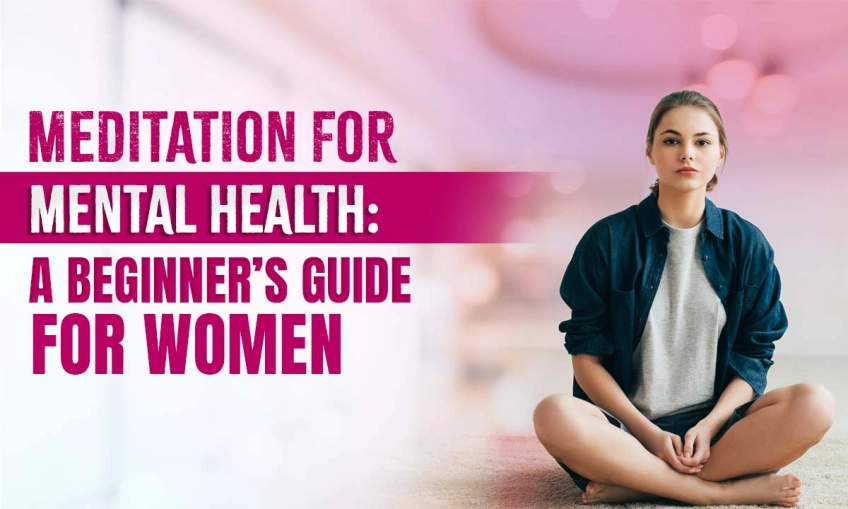
Meditation has long been recognised for its transformative benefits, especially in the realm of mental health. For women, in particular, meditation offers a unique way to combat the stresses of daily life, manage emotional well-being, and foster a deeper connection to their inner selves. At Athena OKAS, we understand that starting a meditation practice can seem daunting for beginners, especially when dealing with the specific mental health challenges that women face. This guide aims to provide women with the foundational knowledge and practical steps to incorporate meditation into their lives to improve mental health and overall well-being.
What is Meditation for Mental Health?
Meditation for mental health is a practice that involves focusing the mind, calming the body, and cultivating mindfulness. It is scientifically proven to reduce stress, anxiety, and depression, all of which are common struggles for many women. Meditation helps regulate emotions, boost self-awareness, and improve emotional resilience, making it an essential tool for anyone seeking better mental health.
For women, who often juggle multiple roles and face unique societal pressures, meditation provides a peaceful space to find clarity, calm, and healing. Through regular practice, women can experience a reduction in stress levels, enhanced focus, and improved emotional stability.
Why Meditation Matters for Women’s Mental Health
Women experience mental health challenges that differ from those faced by men, largely due to biological, social, and psychological factors. Women are more likely to experience anxiety and depression, and they often carry the burden of emotional labor, caregiving, and societal expectations. In fact, according to studies, women are twice as likely as men to develop mood disorders like anxiety and depression.
Meditation for women’s mental health offers a way to combat these issues. Here’s why meditation is so effective:
- Stress Reduction: Meditation activates the parasympathetic nervous system, which helps the body relax and recover from stress. This is especially beneficial for women, who are often dealing with high levels of stress due to work, family, and personal expectations.
- Emotional Balance: By promoting mindfulness, meditation helps women become more in tune with their emotions. It teaches acceptance, self-compassion, and emotional regulation, reducing the intensity of negative feelings like anger, guilt, or sadness.
- Improved Sleep: Women often face sleep disturbances due to stress, hormonal changes, or mental health conditions. Meditation can significantly improve the quality of sleep by calming the mind and lowering anxiety levels.
- Self-Awareness and Growth: Meditation encourages self-reflection, helping women understand their thoughts, feelings, and behaviors more clearly. This self-awareness promotes personal growth and empowerment, which are key components of mental well-being.
How to Meditate for Mental Health: A Beginner’s Approach
If you’re new to meditation, the idea of sitting still and focusing your mind might feel overwhelming. But don’t worry – meditation is a skill that gets easier with time, and the benefits are worth the effort. Below are simple steps to help beginners get started with meditation for mental health:
1. Find a Comfortable Space
Meditation doesn’t require a special room or equipment. Find a quiet, comfortable space where you can sit without distractions. This can be a cozy corner in your home, a park bench, or even your bedroom.
2. Choose Your Posture
For beginners, sitting in a comfortable chair with your feet flat on the floor or cross-legged on the floor works best. Keep your back straight to promote deep breathing and focus. You can also lie down if sitting is uncomfortable.
3. Focus on Your Breathing
One of the simplest meditation techniques is focusing on your breath. Close your eyes and take deep, slow breaths in through your nose and out through your mouth. Focus on the sensation of the air entering and leaving your body. If your mind starts to wander, gently bring your focus back to your breath.
4. Practice Mindfulness
Mindfulness is the practice of being present in the moment. When thoughts arise (and they will), acknowledge them without judgment and let them pass. This helps in reducing mental clutter and allows you to stay grounded in the present.
5. Start Small
If you’re just beginning, start with short sessions – even 5 to 10 minutes a day can make a big difference. Gradually, you can increase the duration as you become more comfortable.
6. Use Guided Meditations
Guided meditation is an excellent option for beginners. Many apps and websites offer free guided sessions that walk you through different meditation practices. These can be especially helpful for women who are new to meditation and need a little extra support.
Common Meditation Techniques for Women
While there are several meditation styles, some are particularly beneficial for women’s mental health. Here are some common techniques that beginners can try:
- Mindfulness Meditation: This involves focusing on the present moment without judgment. It’s great for reducing anxiety and improving focus.
- Loving-Kindness Meditation (Metta): This meditation technique involves focusing on cultivating love, compassion, and kindness for yourself and others. It’s especially helpful for women who struggle with self-criticism or negative self-talk.
- Body Scan Meditation: This technique focuses on scanning your body for tension and releasing it. It’s excellent for relaxing the body and calming the mind.
- Breathing Meditation: Focus solely on your breathing. This helps reduce stress and anxiety by activating the body’s relaxation response.
Benefits of Meditation for Mental Health: Long-Term Results
The impact of meditation on mental health can be profound, particularly when practiced regularly. Here are some long-term benefits that women can experience from meditation:
- Reduced Symptoms of Anxiety and Depression: Numerous studies have shown that meditation can reduce symptoms of both anxiety and depression. By cultivating a sense of calm and clarity, women can better manage the emotional ups and downs of daily life.
- Increased Resilience: Meditation helps improve emotional resilience, allowing women to handle stress, setbacks, and challenges with greater ease.
- Stronger Mind-Body Connection: Regular meditation enhances the mind-body connection, improving self-awareness and overall well-being. Women who meditate are better able to listen to their bodies and respond to their needs.
- Enhanced Creativity and Problem-Solving: With a clearer mind, women are often able to think more creatively and solve problems more efficiently.
Common Challenges Women Face When Starting Meditation
Meditation is a rewarding practice, but like any new habit, it can come with challenges. Here are some common hurdles and how to overcome them:
- Busy Schedule: Many women find it difficult to carve out time for meditation. Try incorporating short sessions throughout the day, such as in the morning, during lunch breaks, or before bed.
- Racing Thoughts: It’s normal to have thoughts wander during meditation, especially in the beginning. Instead of fighting them, gently acknowledge them and return your focus to your breath.
- Impatience: Meditation requires patience and practice. If you feel frustrated, remind yourself that meditation is a journey, and the benefits build over time.
Meditation for Mental Health: The Path to Healing
Meditation is not a quick fix, but rather a long-term practice that can significantly improve mental health. Women, in particular, can benefit from this practice by reducing stress, improving emotional regulation, and cultivating self-awareness. Whether you’re dealing with anxiety, depression, or just the daily pressures of life, meditation provides a safe space to reconnect with yourself and foster healing.
Ready to begin your meditation journey? Visit Athena OKAS for more resources on how to improve your mental health with meditation, or start today with our guided sessions designed specifically for women’s well-being. Book a consultation now at +91 9289730444 for mental healing.