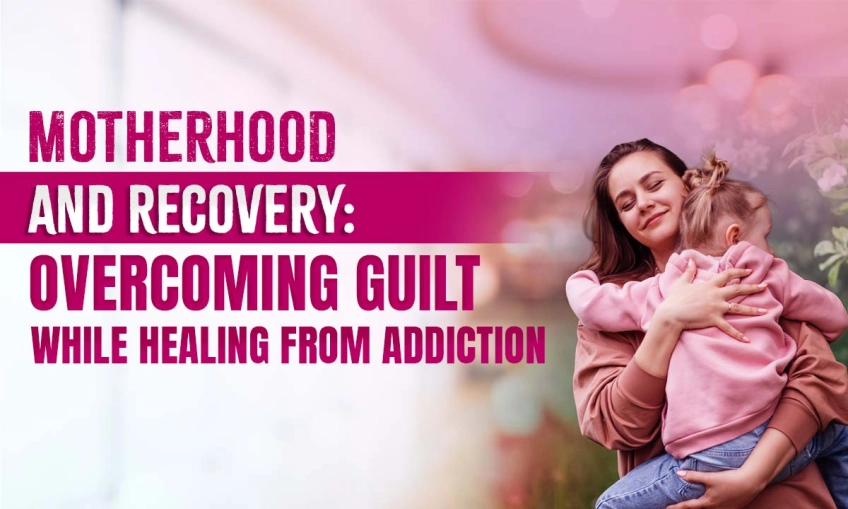
Motherhood is a journey of immense love, responsibility, and sacrifice. When a mother is in recovery from addiction, however, the weight of guilt can feel overwhelming. The shame and remorse associated with addiction can cloud the healing process, leaving many mothers feeling unworthy of the recovery they so deeply desire. Overcoming guilt is essential for effective addiction recovery, and it is possible with the right support, mindset, and resources. In this post, we’ll explore how mothers can heal from addiction, overcome feelings of guilt, and build a healthier future for themselves and their families.
Understanding Addiction and Its Impact on Motherhood
Addiction is a complex, chronic condition that affects the brain and behavior, leading individuals to compulsively seek substances or behaviors despite harmful consequences. For mothers battling addiction, the effects of their struggles go beyond personal health—they can impact the emotional and psychological well-being of their children and family.
Motherhood and addiction often present a difficult intersection, as the pressures of caring for children while dealing with addiction can increase feelings of inadequacy and self-blame. Many mothers feel as though their addiction has robbed them of the opportunity to be the type of parent they want to be, exacerbating the guilt they already carry.
The emotional burden of addiction can make it challenging to break free from the cycle of substance use. However, understanding that addiction is a disease—rather than a moral failing—is crucial for mothers seeking recovery. Healing begins with acceptance and the realization that recovery is not just about stopping the addictive behavior but also about rebuilding a sense of self-worth and trust.
The Role of Guilt in Addiction Recovery
Guilt is an intense emotion that often arises during the recovery process. Many mothers recovering from addiction experience guilt about the past, especially about the effects of their addiction on their children. They may feel that they have failed as mothers or that they’ve missed critical moments in their child’s life due to substance use.
Common sources of guilt for mothers in addiction recovery include:
- Parenting during active addiction: Many mothers feel that they’ve let down their children by not being fully present or engaged in their upbringing.
- Consequences of addiction: Guilt arises from the financial strain, emotional hurt, and instability caused by addiction.
- Shame for seeking help: Some mothers experience guilt simply for entering addiction recovery, viewing it as an admission of weakness.
- Fear of relapse: The anxiety of relapse can be accompanied by guilt, especially if a mother fears repeating past mistakes.
While guilt is a natural emotion, it must be addressed so that it does not derail recovery. Overcoming guilt requires a shift in mindset—recognizing that addiction is an illness, and healing is possible with time, effort, and support.
Steps to Overcoming Guilt in Addiction Recovery
1. Accept Responsibility and Practice Self-Forgiveness
One of the first steps in overcoming guilt is to acknowledge the actions and behaviors that led to the addiction. However, it’s essential to differentiate between taking responsibility and blaming yourself. Addiction recovery involves accepting past mistakes and making amends where possible. Self-forgiveness is crucial, as it allows mothers to move forward with the understanding that they are worthy of recovery and personal growth.
2. Focus on the Present and Future
Guilt often stems from past mistakes, but focusing on the present and future is key to overcoming it. Recovery is a lifelong journey, and every day is an opportunity for growth. Mothers can shift their energy towards creating a stable, healthy environment for themselves and their children by setting goals, building new routines, and prioritizing self-care.
3. Seek Addiction Recovery Support for Mothers
Seeking help from addiction recovery support groups designed specifically for mothers can be a life-changing step. These groups provide a safe, understanding space where mothers can connect with others facing similar challenges. Support networks offer emotional guidance, accountability, and practical advice on managing the dual roles of motherhood and recovery.
4. Attend Therapy or Counseling
Therapy is essential for addressing the psychological aspects of addiction and guilt. Working with a licensed therapist or counselor can help mothers explore the root causes of their guilt, learn coping strategies, and build healthier self-esteem. Cognitive-behavioral therapy (CBT) and trauma-informed therapy can be particularly effective for mothers in recovery, as they address negative thought patterns and emotional wounds.
5. Practice Self-Compassion
In the face of guilt, practicing self-compassion is essential for emotional healing. Mothers in recovery must remind themselves that they are worthy of love, care, and second chances. Taking time for self-reflection and offering kindness to oneself can help break the cycle of self-blame.
6. Rebuild Relationships with Children
Rebuilding relationships with children after addiction can be a sensitive process. It’s important to approach this with patience, love, and consistency. Involving children in recovery activities, such as family therapy or simple bonding activities, can help mend the connection. Consistency in being present, reliable, and emotionally available is key to healing any fractured relationships.
Addiction Recovery Treatment Centre in Gurgaon: A Vital Resource for Mothers
For mothers in the Gurgaon region seeking addiction recovery support, the addiction recovery treatment centre in Gurgaon provides specialized services. These centers offer a range of treatments designed to support mothers during their journey of recovery. With personalized care plans, counseling, and support groups tailored to meet the unique needs of mothers in recovery, these centers provide the resources and guidance needed to heal.
Athena OKAS is one such center that understands the challenges mothers face while healing from addiction. Through expert-led programs, compassionate care, and recovery support, Athena OKAS offers a holistic approach to addiction recovery, focusing on emotional, physical, and psychological well-being.
Overcoming Guilt: A Key Element of Addiction Recovery
Overcoming guilt is one of the most challenging yet essential aspects of addiction recovery for mothers. It is crucial to remember that healing from addiction takes time, and guilt does not define a person’s worth or ability to recover. Through therapy, support groups, and self-compassion, mothers can break free from the shackles of guilt and embrace a healthier, more fulfilling life.
In the journey to recovery, mothers can look forward to building stronger, more positive relationships with their children, fostering resilience, and reclaiming their sense of self-worth. It is important to recognize that the path to recovery is not linear; it may involve setbacks, but each step forward is a victory.
Conclusion
Addiction recovery for mothers is a difficult but rewarding journey. By acknowledging guilt, seeking help, and practicing self-compassion, mothers can heal from addiction and overcome the emotional weight of guilt. Recovery not only restores health but also opens the door to better relationships, emotional growth, and a brighter future for both mothers and their children. At Athena OKAS, we are committed to providing the support and resources needed for every mother to heal and thrive in their recovery journey.